

On this page
For animal lovers, working as a Rover dog walker or pet sitter comes with some real perks. You set your own schedule, you spend your days with animals, and you build genuine relationships with clients and their pets. The one part that catches many sitters by surprise is how much the income swings through the year.
The one part that catches many sitters by surprise is how much the income swings through the year, since pet care follows the travel calendar. Bookings can surge during the holidays and then go quiet just a few weeks later. Learning to manage that rhythm and knowing when to use funding strategically can help turn a seasonal side gig into a steady, sustainable business.
Key Takeaways
- Pet care demand tends to follow seasonal travel patterns, with the busiest periods often occurring around major holidays, spring break, summer vacations, and long holiday weekends.
- Even when bookings slow down, recurring expenses such as supplies, transportation, insurance, and business operating costs continue to affect your cash flow.
- Tracking your income and understanding your seasonal booking patterns can make it easier to budget, save, and plan ahead.
- Building a base of repeat clients and offering multiple services can help create more consistent income beyond peak travel seasons.
- When seasonal slowdowns or unexpected expenses create cash flow challenges, Rover pet sitter funding can provide additional flexibility while helping you keep your pet care business running smoothly.
Why Pet Care Income Rises and Falls Through the Year
Pet care bookings tend to follow predictable seasonal patterns, with demand increasing whenever more people travel. Some of the busiest periods for pet sitters include:
- Winter Holidays (November to January): Travels during Thanksgiving, Christmas, and New Year often create a surge in boarding, house-sitting, and drop-in visit requests.
- Spring Break (March to April): Families and students heading on vacation frequently need short-term pet care during this period.
- Summer Travel Season (June to August): Summer vacations are often one of the busiest times of the year, generating strong demand for boarding and overnight pet-sitting services.
- Long Weekends and Holiday Weekends: Memorial Day, Labor Day, Independence Day, and other holiday weekends can also lead to temporary spikes in bookings.
Dog walking follows a slightly different pattern and is often influenced by work schedules, office attendance, and daily routines. However, travel-heavy periods tend to create the largest increases in overall pet care demand, making them valuable opportunities for sitters looking to maximize bookings and earnings.
The Recurring Costs of Running a Pet Care Business
Whether you’re fully booked or going through a quieter period, certain costs are simply part of providing reliable, professional care.
Supplies, Transportation, and Insurance
Running a pet care business comes with a variety of ongoing expenses, including:
- Leashes, waste bags, treats, toys, and other pet care essentials
- Cleaning supplies for boarding services and in-home visits
- Fuel, vehicle maintenance, parking fees, or public transportation costs
- Pet care, liability, or business insurance coverage
- Platform fees, background checks, and professional certifications
- Phone, internet, and other business-related operating expenses
While these costs can vary depending on the services you offer, they help you provide a safe, professional experience for pets and their owners. Many clients will provide their pet’s food, medications, and other necessities, but having backup supplies such as waste bags, treats, cleaning products, or extra leashes can help you handle unexpected situations with confidence. Investing in the right equipment and business protections helps maintain client trust and supports the long-term success of your pet care business.
Why These Costs Hold Steady When Bookings Drop
The challenge is that most of these expenses continue regardless of how many bookings you have on the calendar. A slower month may bring in less revenue, but you’ll still need to pay insurance premiums, maintain your transportation, replace supplies, and cover other operating costs that keep your business running.
This is where cash flow can become a challenge for many pet care professionals. When income temporarily slows while expenses remain relatively unchanged, even a short downturn can create pressure on your business’s cash flow.
How to Budget Across Busy and Slow Seasons
Seasonal income fluctuations don’t have to create financial stress for gig workers. With a few smart budgeting habits, you can make the most of busy periods and stay prepared when bookings slow down.
Save a Percentage of Peak-Season Earnings
When business is busy, try setting aside a portion of your earnings for slower periods. Even saving 10% to 15% of your income during peak seasons can help build a financial cushion over time. Keeping those savings in a separate account can make it easier to leave the money untouched until you need it.
Plan for Slow Seasons Ahead of Time
If you know a slower period is approaching, save a little extra during busier months to stay on top of expenses and avoid unnecessary financial stress when bookings temporarily decline. Planning ahead can help you stay on top of expenses and avoid unnecessary financial stress when bookings temporarily decline.
Keep Track of Your Earnings Throughout the Year
Tracking your monthly earnings can help you understand how demand changes throughout the year. Over time, you’ll start to see which months are typically busier and which tend to be slower. Having that information makes it easier to set realistic budgets, plan your savings goals, and prepare for seasonal changes in your business.
How to Grow Your Pet Care Business Year-Round
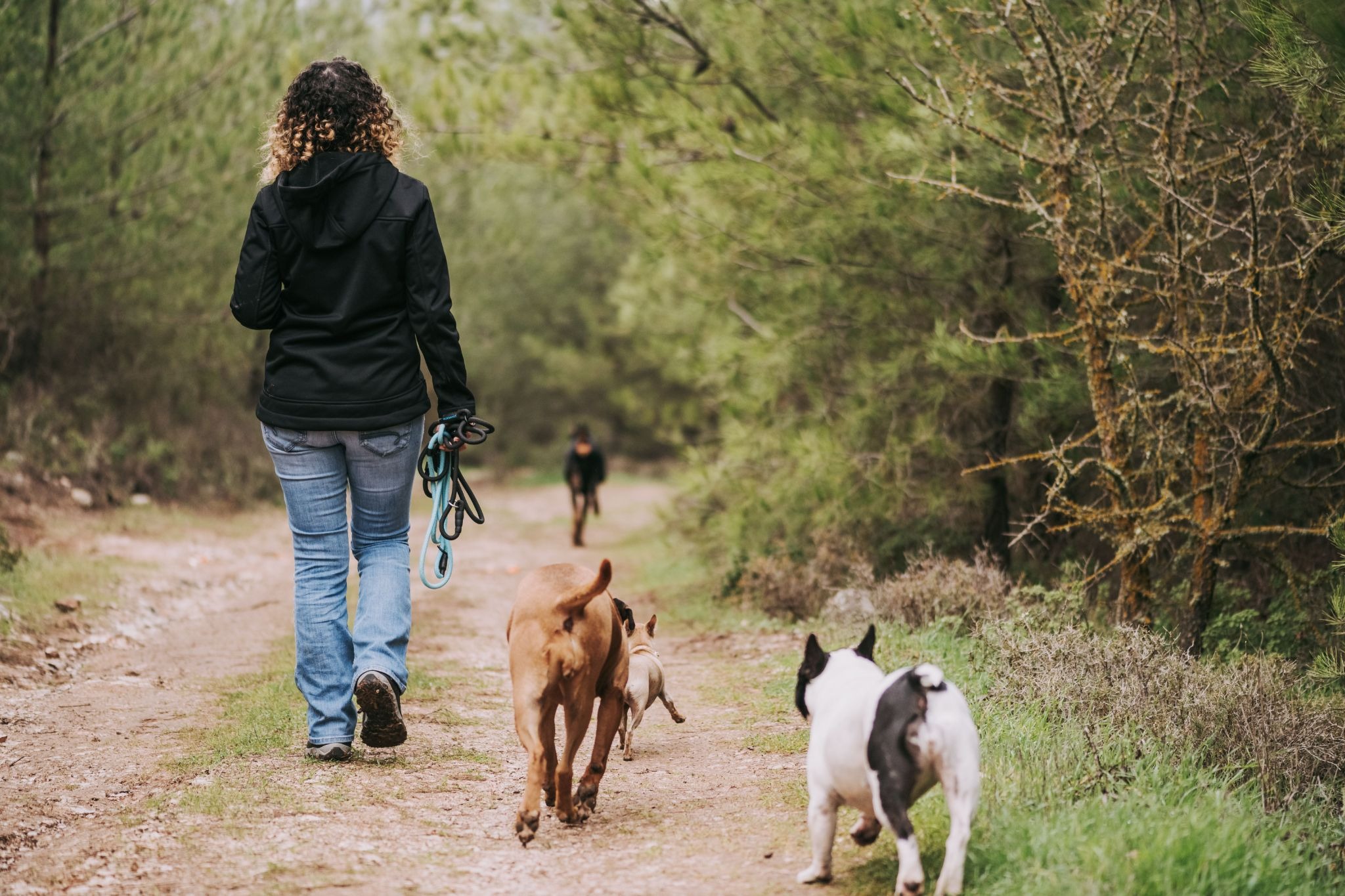 Managing a gig worker’s seasonal income isn’t just about saving money during busy periods. Building a stronger business can also help create more consistent earnings throughout the year.
Build a Base of Regular Clients
Regular clients can provide a steady source of income, even when seasonal bookings slow down. For example, dog owners who schedule weekly walks or pet parents who repeatedly book you whenever they travel can help fill your calendar year-round.
Providing reliable care, communicating clearly, and creating a positive experience for both pets and owners can encourage repeat bookings and referrals, helping you build a more stable client base over time.
Offer More Than One Service
Offering multiple services can help create additional income opportunities throughout the year. Depending on your skills and interests, you might consider offering:
- Dog walking
- Drop-in visits
- Overnight house sitting
- Boarding services
- Basic grooming or pet care add-ons
When demand slows for one service, another may help keep bookings and income coming in.
Promote Your Services Before Busy Seasons
Many pet owners start looking for care well before they travel. Updating your profile, collecting recent reviews, and reminding past clients about your availability before busy periods can help you secure bookings earlier.
Taking a few simple marketing steps before holiday travel periods, spring break, or summer vacations can help fill your schedule sooner and put you in a stronger position when demand picks up.
Use Rover Pet Sitter Funding To Help You Stay Steady
When a slow season lasts longer than expected, or an unexpected expense puts pressure on your budget, Rover pet sitter funding through Giggle Finance can help bridge the gap. Key features include:
- Approval Based on Business Activity: Eligibility is determined by your business deposit activity via a secure Plaid connection, with no W-2 paycheck or employer verification required.
- Fast Application and Funding: The application can be completed in just a few minutes, and eligible customers may receive funding within minutes of approval.
- Funding Up to $15,000 for New Customers: First-time customers can qualify for up to $15,000, while returning customers in good standing can qualify for up to $20,000.
- Revenue-Based Repayment: Payment amounts are tied to your revenue, allowing repayments to adjust alongside your business activity.
- Flexible Use of Funds: Funds may be used for supplies, transportation, marketing, equipment, or other business-related needs.
Whether you’re preparing for a seasonal slowdown or investing in future growth, Giggle Finance provides Rover pet sitter funding to support self-employed pet care professionals year-round.
Keeping Your Pet Care Business Thriving All Year
Seasonal fluctuations are a normal part of running a pet care business, but they don’t have to dictate your financial stability. By understanding your busiest and slowest periods, building a base of loyal clients, expanding your services, and setting aside earnings during peak seasons, you can create a business that’s better prepared for changes in demand throughout the year.
Even the best planning can’t prevent every slowdown or unexpected expense. During those periods, having access to additional working capital can provide valuable flexibility. With Giggle Finance, you can be ready for both the busy periods and the quieter stretches in between.
Apply today and get the fast, flexible funding you need to keep your pet care business running strong all year long.
Disclaimer: Giggle Finance provides Revenue-Based Financing programs for business purposes only. Any mention of any loan product(s), consumer product(s), or other forms of financing is solely for marketing and educational content purposes and to help distinguish Giggle Finance’s product from other comparable financing options available in the markets.