
On this page
The gig economy promises freedom, flexible hours, fast pay, and limitless earning potential. But the numbers you see in job ads or headlines often show gross pay, not what workers actually take home.
If you’re serious about financial literacy (and about keeping up with inflation), it’s important to look beyond surface numbers. Understanding the hidden expenses behind each gig can help you see your true earnings and make smarter choices about where and how you work.
The Gig Worker’s Real Earnings Equation
Gross income is the total amount you earn before anything is taken out. It can look impressive on paper, especially when clients or platforms advertise high payouts. But your net income is what really matters. This is the amount you keep after subtracting taxes, fees, and all the other costs of doing the job.
Take a rideshare driver as an example. A week showing $500 in gross fares might seem like a solid paycheck. Yet, once you deduct gas, car insurance, taxes, platform fees, and maintenance costs, the real take-home pay could shrink by 30% to 60%. In practice, that $500 may leave only $200 to $300 in your pocket after expenses — a much different picture than the headline number.
The Hidden Financial Costs of Gig Work
These expenses don’t always show up on the sign-up page, but they start cutting into your paycheck as soon as you hit the road.
1. Car Expenses
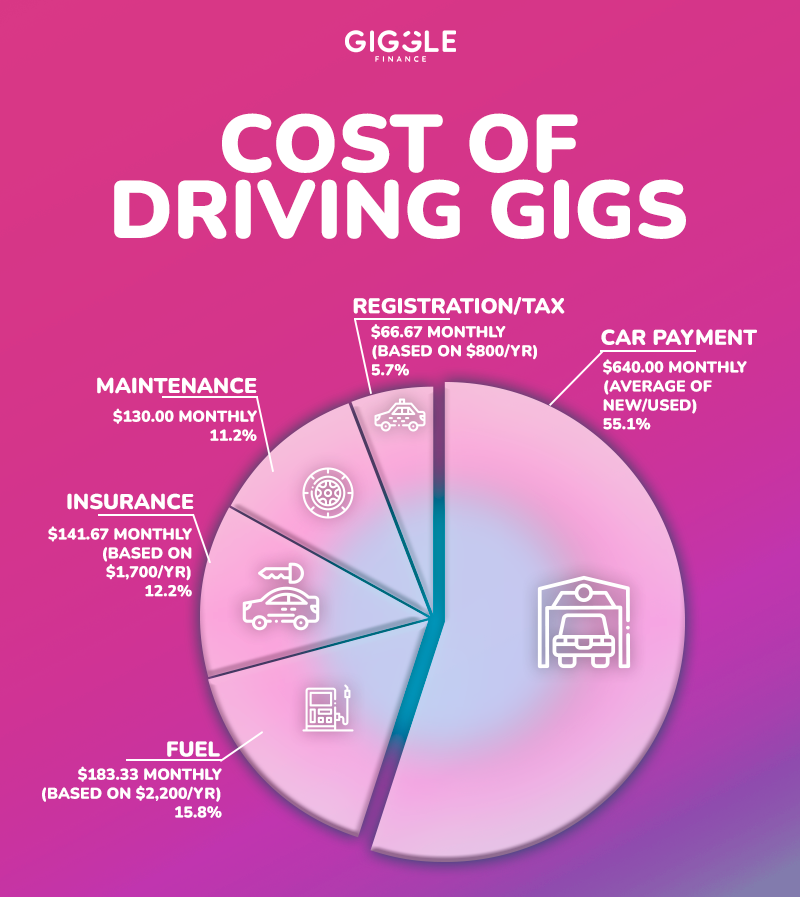
Driving for gig work involves far more than just filling up at the pump. The real cost of car ownership can easily eat into net earnings.
Car Payments
Whether you finance, lease, or buy used, most gig workers pay over $500 a month just for vehicle access. In the second quarter of 2025, the average monthly payment for a new car was $749. Leasing averaged $612 per month, and buying a used car averaged $529.
The total climbs even higher once you add interest, depreciation, fuel, maintenance, repairs, and insurance. According to the American Automobile Association’s (AAA) 2024 Your Driving Costs study, drivers putting 15,000 miles a year on their car face ownership costs of about $1,024 per month, or $12,297 annually — a $115 increase from the previous year. Licensing, registration, and taxes also add roughly $815 per year, though that varies by state.
Fuel
AAA estimates the average driver spends about 14.9 cents per mile on gas (12-month period ending mid-2024). For 15,000 miles a year, that’s about $2,235. Full-time gig drivers often drive far more than that, making fuel a major recurring cost.
Car Maintenance
Routine maintenance is essential to keep your vehicle running and your income steady. AAA found that new car owners spend about $126 per month on repairs and maintenance. Services like oil changes and tire rotations, typically every 5,000 miles, prevent bigger, costlier breakdowns that can wipe out an entire week’s wages.
Insurance
AAA reports the average full-coverage auto insurance rate at $1,715 per year, though rates vary by location, coverage type, and driving history. Gig workers often need additional coverage for commercial use, which can push premiums even higher. In addition to these big-ticket items, smaller but steady costs (parking, tolls, and regular cleaning) also chip away at profits.
2. App Fees
Gig platforms make it easy to find work, handle payments, and resolve disputes. But the convenience comes at a cost, and those deductions add up quickly across multiple projects or shifts.
Service Fees
Upwork
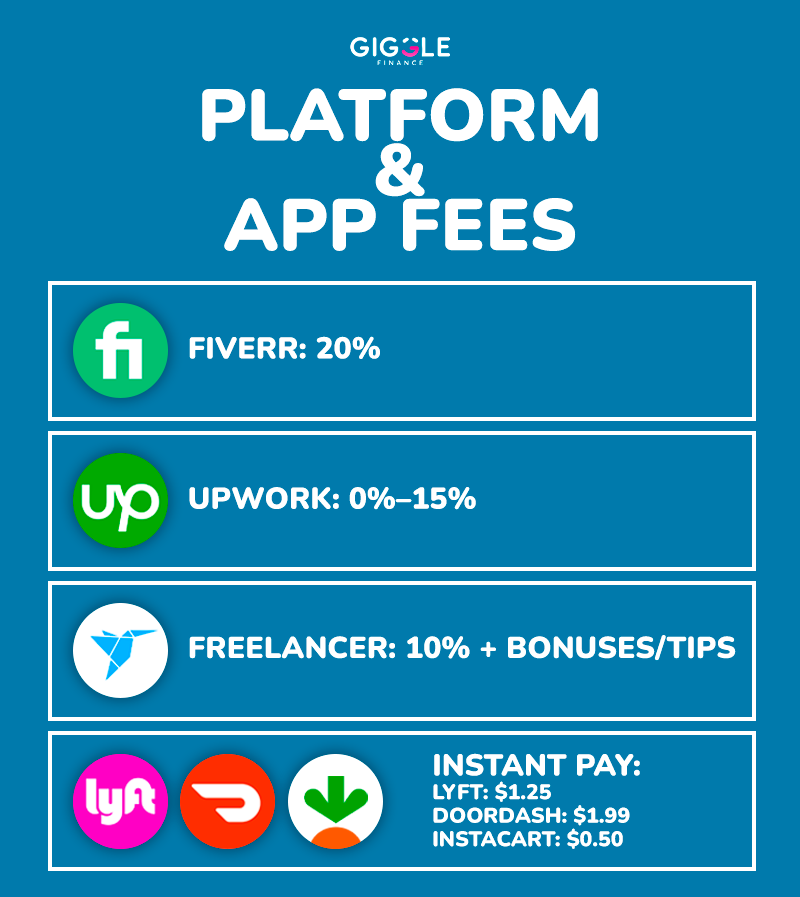
Takes 0% to 15% of all earnings, whether hourly, fixed-price, or Project Catalog work. Some contract types, such as Upwork Payroll, Any Hire, Direct Contracts, and Enterprise contracts, may have different fee structures or be exempt from the usual charges altogether.
Fiverr
Deducts 20% from every completed gig. That means a $100 assignment leaves you with only $80 before taxes or other costs.
Freelancer
Charges 10% of the winning bid amount or $5 (whichever is greater) when you accept a project. This fee applies even before you begin work. Additional payments above the original bid also get hit with the same 10% fee. For hourly projects, the platform takes 10% from each milestone payment. Tips and bonuses are also subject to the 10% deduction since they’re considered “overage payments.”
Instant Pay
Many platforms now offer “fast cash-out” features, letting workers get their money right away, but for a price. These small fees can quietly erode your take-home pay.
- Lyft: $1.25 fee per transfer to a personal debit card.
- DoorDash, Wag!, Roadie: $1.99 per cash-out.
- Instacart and Amazon Flex: $0.50 per cash-out (among the cheapest).
Occasionally, using instant pay might not seem like much, but over time, it can add up to hundreds of dollars lost just to access your own earnings faster.
3. Subscriptions
Many creative gig workers shoulder ongoing subscription costs for essential tools.
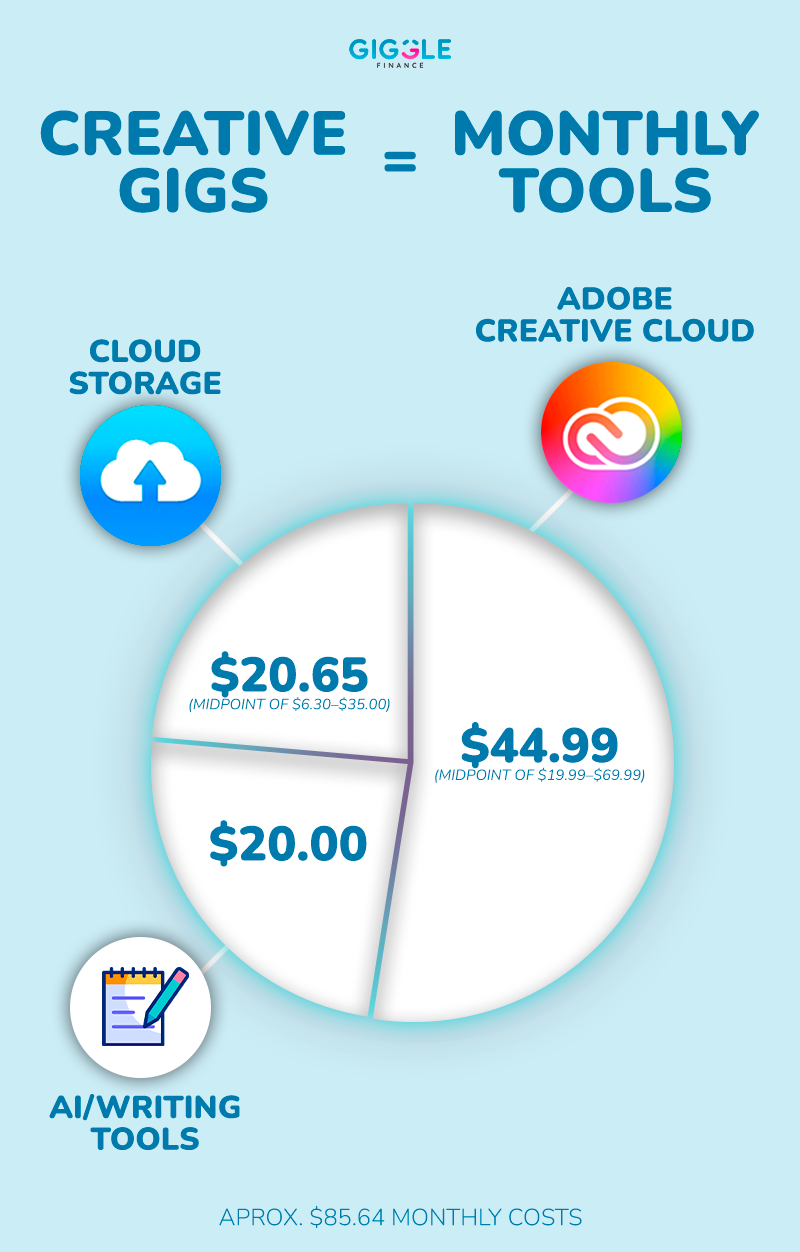
- Graphic Designers often pay for Adobe Creative Cloud, which costs between $19.99 and $69.99 a month, depending on the app or bundle.
- Video Editors use specialized editing software and cloud storage to manage large project files, which can cost $6.30 to $35 or more per month, depending on the platform and plan.
- Writers invest in AI-powered tools or editing software to speed up their workflow, often adding another $20 a month to their other expenses.
These subscriptions may seem small individually, but together, they can significantly reduce monthly earnings, and this doesn’t even include the cost of the equipment needed to run them.
4. Equipment and Supplies
Freelancers need reliable tech to do their jobs. High-performance laptops, professional cameras with lenses and lighting, and noise-cancelling headphones are common investments. These aren’t one-time purchases either; technology becomes outdated quickly, and staying competitive often means budgeting for regular upgrades or repairs.
Delivery drivers have different equipment costs. Insulated bags are essential to keeping food at the right temperature, and some platforms even offer extra earnings or access to special promos if a specific bag is registered. For example, DoorDash has pizza delivery promos for drivers who own a qualifying pizza bag. Using the right gear also helps boost customer ratings, which can unlock better gigs and higher pay.
In addition, delivery workers frequently replace phone mounts, chargers, and even smartphones due to heavy, everyday use on the road. While each expense may seem small, together, they can quietly drain a big chunk of your weekly pay.
5. Insurance
Standard personal insurance rarely gives gig workers the coverage they actually need. If something goes wrong on the job, your personal policy may not cover the loss. That’s why every freelancer or gig worker should budget for insurance upgrades. Skipping them could lead to major financial setbacks.
Health Insurance
Without an employer plan, freelancers are fully responsible for their own medical bills. Options include private health plans, state programs like Medicaid for low-income earners, and short-term Continuation of Health Coverage (COBRA) plans when transitioning from traditional jobs. Organizations like the Freelancers Union also offer group plans tailored to self-employed workers.
Professional Liability
If you provide advice, creative work, or specialized services, professional liability insurance can cover legal fees or settlements if a client claims your work caused a financial loss. On the other hand, general liability insurance protects you if someone is injured or property is damaged while you’re working or meeting clients face-to-face.
Business Property Insurance
If you own or lease a workspace or keep expensive tools or equipment, business property insurance helps cover losses from fire, theft, or vandalism.
Cyber Liability Insurance
As more freelancers handle sensitive client or customer data, cyber liability insurance becomes essential. It covers legal fees and recovery costs if your data is hacked or exposed.
Disability Insurance and Life Insurance
These policies protect your personal finances. Disability insurance replaces lost income if you’re unable to work due to injury or illness. Life insurance provides security for your loved ones, covering debts and lost income if the unexpected happens.
Auto Insurance
If you’re delivering food, transporting passengers, or running errands for clients, your personal auto insurance likely won’t cover accidents or damages that happen on the job. Specialized coverage is necessary:
- Commercial Auto Insurance covers vehicles used solely for business, offering higher protection for higher-risk driving situations.
- Hired and Non-Owned Auto (HNOA) Insurance fills the gap if you use the same vehicle for personal and gig work, providing liability coverage for property damage or injury while driving for business purposes.
Different gigs come with different risks, so your ideal policy mix will depend on the work you do. While these premiums add to your monthly costs, they also protect you from losing months or years of earnings if something goes wrong. Building security means planning for the unknown.
Financial Literacy for Gig Workers: Budgeting and Tracking

Gig workers risk losing a big portion of their earnings to hidden costs without a clear picture of how much money is coming in and where it’s going. Mastering budgeting and tracking helps you stop earnings leakage and take control of your finances.
1. Track Everything
Record your gross income alongside every expense—fuel, insurance, subscriptions, equipment replacement, and even smaller costs like parking or tolls. Don’t forget to log the unpaid hours spent waiting, traveling without pay, or managing client communication. Tracking this information shows your true effective hourly rate, so you know exactly what you’re earning after costs and time.
2. Separate Personal and Business Finances
Use a dedicated business bank account or payment platform for your gig income and expenses. This separation makes tax time far less stressful, helps you identify deductible expenses more easily, and gives you a clear view of your business’s cash flow.
3. Use Tools and Technology
Bookkeeping apps such as QuickBooks Self-Employed or FreshBooks, as well as simple spreadsheets like Google Sheets, make tracking painless and transparent. Many gig apps also let you export your earnings and fees data—take advantage of these features to keep your records accurate and up to date.
4. Schedule Regular Financial Reviews
Set aside time weekly or monthly to review your income, expenses, and hours worked. This habit helps you make realistic adjustments to your spending, work hours, or gig mix before problems arise. Consistent reviews create a clearer roadmap to profitability and long-term stability.
5. Maximize Tax Deductions and Efficiency
The IRS lets freelancers deduct “ordinary and necessary” costs for running their business. This covers a wide range of everyday expenses you probably already pay for.
Common deductible items include:
- Business-related meals, like client lunches or food purchased while traveling for work
- Travel and lodging for out-of-town gigs or professional events
- Office supplies and expenses, whether you’re renting a co-working space or restocking printer ink
- Work-related equipment or materials, from laptops and cameras to delivery bags and toolkits
- Phone and internet bills if you rely on them to communicate with clients or manage your business online
The key is to make sure each expense has a clear business purpose. Keep detailed receipts and mileage logs, and document every expense. Consulting a tax professional can help you maximize legitimate deductions, especially if you juggle multiple income streams or irregular earnings, so more of your money stays in your pocket.
6. Negotiate for Better Terms
Don’t be afraid to negotiate contracts. Ask clients to cover transaction fees or adjust pricing to offset costs. Even small changes, like passing along platform fees or including them in your rates, can protect your bottom line over time.
7. Share Costs and Resources
Pooling resources with other gig workers, friends, or family can reduce expenses. Sharing car leases, insurance premiums, or even specialized equipment spreads the costs across multiple people, helping you save more of your earnings.
8. Select Gigs Strategically
Before accepting any gig, consider all related expenses and downtime. Prioritize gigs with lower overhead and diversify across different platforms or types of work. This reduces risk and helps you stay profitable even when one gig slows down.
9. Build an Emergency Fund
Set aside part of every paycheck as a cushion. An emergency fund for slow periods or unexpected costs like car repairs or software renewals prevents minor setbacks from turning into major crises. Over time, this buffer also creates peace of mind, stability, and a foundation for retirement savings in an unpredictable income landscape.
Financial Freedom for Gig Workers
Real financial freedom in gig work starts with clarity, not guesswork. When you understand where every dollar goes, track your net earnings, and stay alert to hidden costs, you’re no longer at the mercy of headline rates or platform promises.
Financial literacy is a survival skill in today’s gig economy. By budgeting carefully, knowing your rights, and choosing gigs strategically, you can protect your income, plan ahead, and build a stable future even in an unpredictable market.
Disclaimer: Giggle Finance provides Revenue-Based Financing programs for business purposes only. Any mention of any loan product(s), consumer product(s), or other forms of financing is solely for marketing and educational content purposes and to help distinguish Giggle Finance’s product from other comparable financing options available in the markets.