On this page
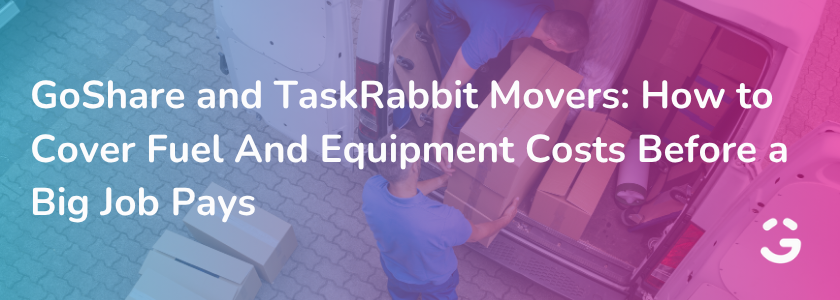
A large moving job can bring in a higher payout because it often involves more hours, longer distances, heavier loads, or multiple stops. At the same time, those factors can increase the amount you need to spend before the work even begins. For independent movers using their own vehicles, that may mean covering higher fuel costs, extra mileage, and other job-related expenses upfront. That leaves you covering the cost of completing the job before its earnings are available to use.
To manage this situation more easily, planning for fuel, labor, vehicle wear, and other upfront costs can make it easier to take on bigger jobs without putting too much pressure on your available cash. Here are a few ways to prepare for those expenses and keep your moving business ready for the next opportunity.
Key takeaways
- Adding up your expected expenses before accepting a job helps you see how much cash you need available before the payout arrives.
- Comparing the payout with your total job costs gives you a clearer picture of what you may actually keep after the work is complete.
- Tracking costs across several jobs can help you identify which routes, job sizes, and types of moves are most worthwhile for your business.
- GoShare and TaskRabbit Delivery mover funding can provide additional working capital when a larger job requires more upfront cash than you have set aside.
- Giggle Finance may help qualified independent movers cover eligible business expenses, with funding up to $15,000 for new customers and up to $20,000 for returning customers in good standing.
The Costs Behind a Big GoShare or TaskRabbit Job
Before taking on a larger moving job, it helps to know which expenses you may need to cover upfront. Common costs include:
- Fuel: Longer routes, heavier loads, and more stops can increase fuel use, especially on all-day jobs.
- Moving Equipment: Dollies, straps, furniture blankets, ramps, and other gear may need to be purchased or replaced.
- Tolls and Parking: Certain routes, apartment buildings, and city locations may incur tolls or parking fees.
- Vehicle Wear and Maintenance: More mileage and heavier loads can add wear to tires, brakes, suspension, and other vehicle components.
- Replacement Supplies: Tape, protective wrap, gloves, and other job supplies may need regular restocking.
These moving gig fuel and equipment costs can add up before the payout reaches your account, so knowing your expected expenses ahead of time can help you decide whether the job still makes financial sense.
Managing the Upfront Costs on Every Big Job
Once you know what a big job costs, you can put a plan in place to cover it.
Know What You Need to Pay Upfront
Before accepting a larger job, identify which expenses you will need to cover before or during the move. This might include filling your tank, paying tolls or parking, replacing worn moving supplies, or picking up extra equipment for a heavier load.
Then, total those immediate costs so you know how much cash you need available before the payout arrives. For example, $80 for fuel, $40 for tolls and parking, and $60 for replacement straps or blankets means you should have at least $180 available to complete the job comfortably.
Knowing that number ahead of time can help you decide whether your current cash or job reserve is enough, or whether you need another way to cover the upfront expenses.
Make Sure the Payout Covers Your Costs

Look at the expected payout in relation to the full cost of completing the job, not just the time it will take. Longer routes, heavier loads, additional stops, tolls, and equipment needs can all increase what you spend before the job is finished.
For example, say a job pays $600, but you expect to spend $90 on fuel, $45 on tolls and parking, and $65 on moving supplies. That brings your direct job costs to $200, leaving $400 before accounting for taxes, vehicle wear, and other business overhead. Looking at the numbers this way gives you a more realistic picture of what the job is actually worth.
Keeping a record of these costs across several jobs can also help you spot patterns. You may find that certain routes, job sizes, or types of moves leave you with a better return, while others require more upfront spending than the payout justifies.
Keep a Reserve for Bigger Jobs
Set aside part of the income from completed moving gig jobs, so you have cash available for the next larger opportunity. Even saving 5% to 10% from each payout can gradually build a reserve for fuel, tolls, parking, replacement equipment, and other upfront moving costs.
To put that into numbers, a $700 payout with 10% set aside would add $70 to your reserve. After five similar jobs, that would grow to $350 that you could use toward the upfront costs of a future move before its payout arrives.
Keeping this money in a separate business savings account can make the reserve easier to track and less likely to be spent on unrelated expenses. As the balance grows, you will have a clearer idea of how much you can comfortably spend upfront for fuel and equipment costs when a larger job comes through.
Use Flexible Funding for Larger Gaps
Flexible funding can give you more room to take on larger jobs when the upfront costs exceed what you have set aside. GoShare and TaskRabbit Delivery mover funding may help qualified movers cover eligible business expenses such as fuel, tolls, moving equipment, or other costs needed to complete the job.
Used alongside your savings and job planning, additional working capital can help you stay ready for opportunities that require more cash upfront. Review the amount you need, the repayment structure, and the expected payout so the funding fits comfortably into the job and your wider business budget.
How Giggle Finance Helps Independent Movers
Larger moving jobs can sometimes require more upfront cash than your reserve covers, especially when fuel, helper pay, tolls, or equipment costs come due before the job pays.
Giggle Finance may give qualified independent movers additional working capital for eligible business expenses so they can keep taking on work without putting all the pressure on available cash.
- Eligibility is based on business deposits reviewed securely through Plaid.
- No W-2 or minimum FICO score requirement for qualified independent movers.
- A quick online application that takes just a few minutes to complete.
- Funding up to $15,000 for New Customers and up to $20,000 for returning customers in good standing.
- Support for eligible moving expenses, including fuel, helper pay, tolls, and equipment.
- Weekly payments that follow revenue, with amounts adjusting as business earnings change.
Taking On Bigger Jobs With Confidence
Bigger moving jobs often come with higher upfront costs, so knowing your numbers, keeping a reserve, and having a backup GoShare and TaskRabbit Delivery mover funding option can make them easier to take on. Giggle Finance can give qualified independent movers another way to cover eligible expenses before the payout arrives. Get funded today!
Beyond funding, you can also explore the Giggle Finance blog for more practical tips on managing cash flow, business expenses, and self-employed income.
Disclaimer: Giggle Finance provides Revenue-Based Financing programs for business purposes only. Any mention of any loan product(s), consumer product(s), or other forms of financing is solely for marketing and educational content purposes and to help distinguish Giggle Finance’s product from other comparable financing options available in the markets.