
On this page
- What Makes a Car Good for Delivery Driving in 2026?
- Top 10 Best Cars for Delivery Drivers in 2026
- Car-by-Car Breakdown: What Each Model Offers Delivery Drivers
- Best Car by Delivery Platform
- How Fuel Efficiency Affects A Driver’s Take-Home Pay
- Keeping Your Delivery Car Running: Key Maintenance Habits
- When Your Car Needs Work and You Cannot Wait: Giggle Finance
- Keep Your Business Moving With the Right Car and Funding
Your car is your business, as every mile you drive for DoorDash, Uber Eats, Instacart, or Amazon Flex either makes or costs you money. With that in mind, choosing the right vehicle is one of the most important financial decisions a delivery driver can make, yet many comparisons focus only on MPG.
But this guide goes further. We rank the top 10 best cars for delivery drivers in 2026 by both fuel efficiency and earnings potential, using real EPA data. We also cover what makes each car a fit for specific platforms and delivery types, and how Giggle Finance helps drivers handle the car repair costs and working capital needs that come with high-mileage gig work.
Want faster access to what you earn? Giggle Finance offers a gig apps that pay same day and, when a payout gap still leaves you short, funding built for gig income.
Key takeaways
- The Toyota Prius is the best car for food delivery work, including DoorDash, in 2026. At 57 MPG combined, it outperforms every other non-EV on fuel cost per mile.
- Switching from a 25 MPG car to the Toyota Prius saves a driver covering 30,000 miles per year over $2,300 in fuel costs annually.
- Hybrid vehicles dominate the top six spots. For most delivery drivers, a hybrid is now the most financially sound choice over a standard gas car.
- For Uber Eats drivers covering longer suburban routes, the Toyota Camry Hybrid and Hyundai Elantra Hybrid are two of the strongest options.
- The 2026 IRS mileage deduction is 72.5 cents per mile. At 30,000 business miles per year, the deduction can add up to $21,750.
- When a car repair hits before your next payout, Giggle Finance offers fast working capital based on your actual delivery earnings, with approval in as little as a few minutes of your time.
What Makes a Car Good for Delivery Driving in 2026?
Before ranking specific models, it helps to understand the criteria that actually matter for delivery drivers, not just car buyers in general.
Fuel Efficiency Is the Biggest Cost Variable
Every MPG point matters when you are driving for income, not just transportation. Delivery drivers cover 20,000 to 40,000 miles per year on average. At those distances, the difference between a 25 MPG car and a 50 MPG car can save a driver over $1,000 annually at current gas prices.
Reliability Protects Your Income
For delivery drivers, a car in the shop is income stopped. Toyota, Honda, and Hyundai models are known for reaching 200,000 to 300,000 miles with proper maintenance, making them the most defensible long-term choices for high-mileage gig drivers.
Platform Fit Matters
The best cars for DoorDash delivery drivers are not necessarily the best cars for Amazon Flex drivers handling large packages.
Food delivery often rewards fuel efficiency and easy maneuverability in busy urban areas, while package delivery places a greater emphasis on cargo space. Understanding the type of work you do most often can help you prioritize the features that matter most.
Insurance and Tax Implications
Using a personal vehicle for delivery work can affect your insurance coverage, so it is important to check whether your policy includes commercial use.
Many platforms offer gap coverage during active deliveries, but not during the app-on, waiting phase. On the tax side, every business mile you drive is deductible at the 2026 IRS standard rate of 72.5 cents per mile.
Keeping accurate mileage records adds up to significant savings. And our guide on tracking mileage for tax deductions as a gig worker covers how to do this correctly.
Top 10 Best Cars for Delivery Drivers in 2026
All MPG figures are EPA-rated combined estimates for 2026 model year vehicles, sourced from EPA FuelEconomy.gov, Edmunds, and Cars.com.
Based on data, these are the best cars for delivery drivers available right now. Rankings reflect fuel efficiency, reliability track record, and earnings impact for delivery drivers.
| Rank | Car | MPG / Range | Type | Best For |
|---|---|---|---|---|
| 1 | Toyota Prius | 57 MPG combined | Hybrid | All platforms, city + highway |
| 2 | Hyundai Elantra Hybrid | 54 MPG combined | Hybrid | Food delivery, city driving |
| 3 | Kia Niro Hybrid | 53 MPG combined | Hybrid | Food and grocery delivery |
| 4 | Toyota Camry Hybrid | 51 MPG combined | Hybrid | Long-distance, Uber Eats |
| 5 | Toyota Corolla Hybrid | 50 MPG combined | Hybrid | Budget-friendly, all platforms |
| 6 | Honda Civic Hybrid | 49 MPG combined | Hybrid | DoorDash, Instacart |
| 7 | Chevy Bolt EV | ~250 miles/charge | Electric | Urban delivery, home charging |
| 8 | Honda Civic (Gas) | 36 MPG combined | Gas | Budget entry, all platforms |
| 9 | Hyundai Elantra (Gas) | 36 MPG combined | Gas | Budget entry, food delivery |
| 10 | Toyota Corolla (Gas) | 35 MPG combined | Gas | Reliability-first, all platforms |
Car-by-Car Breakdown: What Each Model Offers Delivery Drivers
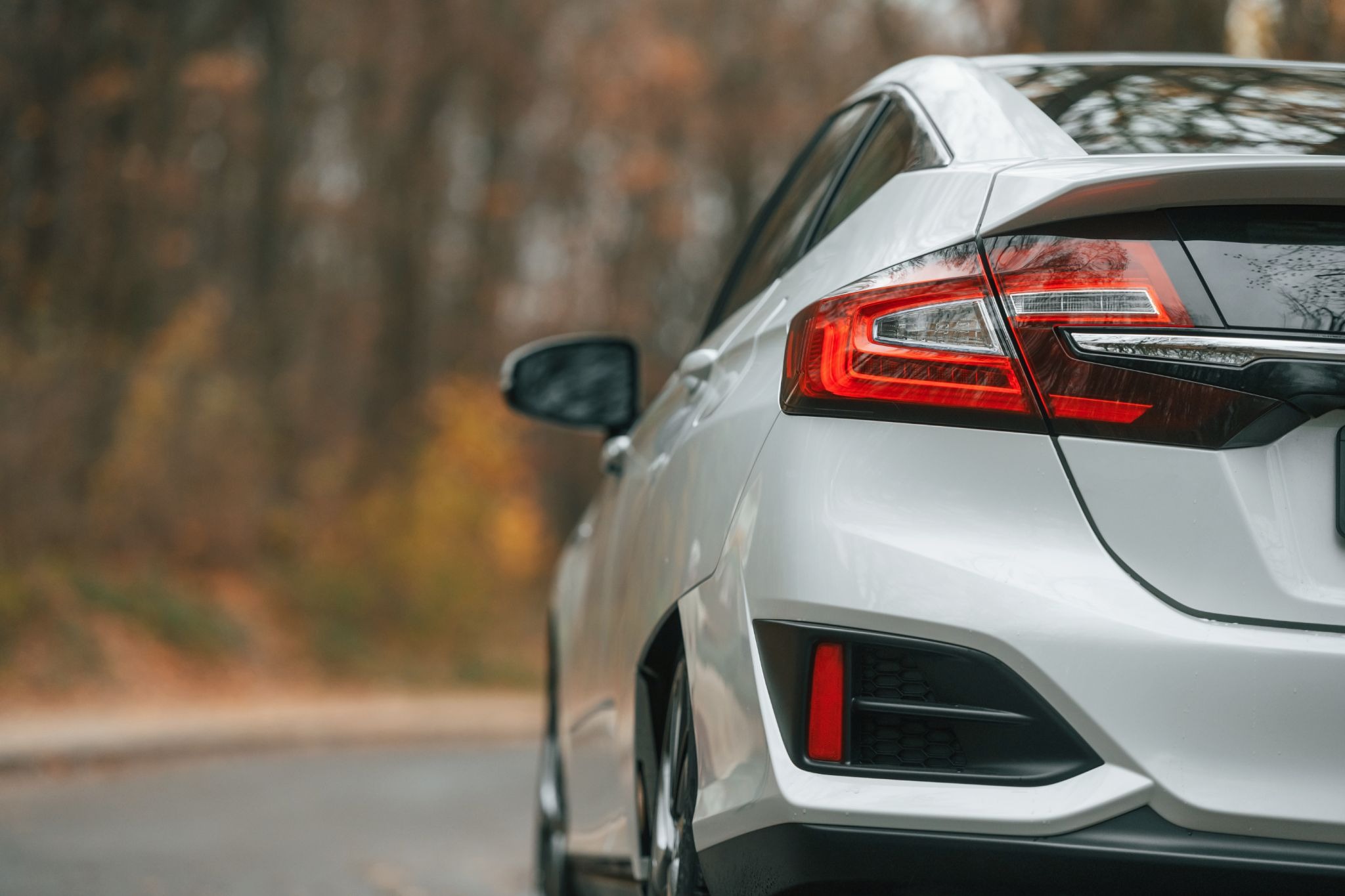 Here is what you need to know about each ranked model and why it made the list.
1. Toyota Prius: 57 MPG Combined (Hybrid)
The Prius is the clear number one for delivery drivers in 2026. Edmunds rates it as the fuel economy leader among all non-EV vehicles at 57 MPG combined, and its 644-mile range on a full tank means fewer stops. Hatchback cargo space, a reliability track record that regularly exceeds 300,000 miles, and the lowest operating cost per mile of any hybrid make it the among the best cars for DoorDash and food delivery work across the board.
2. Hyundai Elantra Hybrid: 54 MPG Combined
The Elantra Hybrid beats the Prius on the highway by 2 MPG, making it the stronger pick for suburban and highway-heavy routes. Its six-speed dual-clutch transmission gives it a more engaging feel than most hybrids. Moreover, Hyundai’s long warranty adds protection for high-mileage delivery use, and it starts below the Prius price point.
3. Kia Niro Hybrid: 53 MPG Combined
Smooth in city traffic and quiet enough for long shifts. The Kia Niro Hybrid sits between a sedan and a small SUV, giving it more cargo flexibility than a compact without full SUV bulk. At 53 MPG combined, it works well for grocery and food delivery drivers who need extra room.
4. Toyota Camry Hybrid: 51 MPG Combined
The 2026 Camry is now hybrid-only, combining 51 MPG with a spacious, comfortable interior that makes longer shifts easier. Whether you are handling suburban Uber Eats routes or balancing rideshare and delivery work, it offers an excellent mix of comfort, efficiency, and reliability, along with Toyota’s strong track record of helping keep maintenance costs predictable.
5. Toyota Corolla Hybrid: 50 MPG Combined
The Corolla Hybrid is the most affordable hybrid on this list with a starting price below the Prius and Camry. It delivers 50 MPG combined, with an impressive 53 MPG in city driving that directly benefits stop-and-go food delivery work. For drivers entering the gig economy who want hybrid efficiency without a large upfront investment, the Corolla Hybrid is one of the best budget-to-performance balances on the list.
6. Honda Civic Hybrid: 49 MPG Combined
The Honda Civic Hybrid delivers 49 MPG combined while benefiting from Honda’s reputation for reliability, low maintenance costs, and strong resale value. Although the sedan is slightly more fuel-efficient than the hatchback, both offer a practical option for DoorDash and Instacart drivers who regularly switch between city streets and suburban routes.
7. Chevy Bolt EV: ~250 Miles Per Charge
For drivers with reliable home charging, the Chevy Bolt EV can cut monthly fuel costs from $250 to $400 down to $50 to $70. Its compact hatchback body works well for city food and grocery delivery, and regenerative braking reduces brake wear significantly. The Bolt is also best suited for full-time urban delivery drivers covering up to 150 to 250 miles per day who can charge overnight.
- Honda Civic (Gas): 36 MPG Combined
The non-hybrid Civic remains one of the best entry-level options for delivery drivers not ready to move to a hybrid. At 36 MPG combined, it leads the gas-only segment. The Honda Civic is affordable, easy to maintain, and widely supported by mechanics everywhere. For drivers starting out on platforms like DoorDash or Instacart without a large upfront budget, a well-maintained used Civic is a proven starting point.
9. Hyundai Elantra (Gas): 36 MPG Combined
The standard Elantra matches the Civic at 36 MPG combined and offers slightly more interior space for the same price range. Hyundai’s warranty is one of the best in the industry, which provides meaningful protection for high-mileage delivery use. It is a solid alternative to the Civic for drivers who want the same fuel economy with a different feel and warranty package.
10. Toyota Corolla (Gas): 35 MPG Combined
The Toyota Corolla rounds out the list thanks to its long-standing reputation for reliability. While its 35 MPG combined fuel economy trails slightly behind the Civic and Elantra, a well-maintained Corolla can often reach 200,000 to 300,000 miles, making it a dependable choice for delivery drivers who value predictable maintenance costs and minimal downtime.
Best Car by Delivery Platform
Different platforms reward different vehicle characteristics. Here is the best match for each major platform.
Best Car for DoorDash
DoorDash is primarily food delivery with frequent short trips, stop-and-go city driving, and a need for accessible cargo space for insulated bags. The Toyota Prius performs best in exactly this environment, where hybrid efficiency shines most in city traffic.
For tips on maximizing your earnings once you have the right car, our guide on how to get more DoorDash orders covers the strategies that experienced dashers use.
Best Car for Uber Eats
Uber Eats drivers often cover longer distances and more suburban routes than DoorDash. The Camry Hybrid provides more comfort for longer shifts, while the Elantra Hybrid edges out on highway efficiency. Both are good choices depending on your market and route patterns.
Ultimately, the right vehicle can make a significant difference to your earnings, particularly when fuel, maintenance, and mileage costs vary from city to city. To learn more about becoming an Uber Eats driver, visit the platform’s official driver page.
Best Car for Instacart
Instacart shoppers need accessible cargo space for grocery bags and temperature-sensitive items. The Kia Niro Hybrid offers the best combination of fuel efficiency and cargo flexibility for grocery delivery, while the Honda Civic Hybrid is another practical option for drivers in tighter urban markets.
And for a comparison of which food delivery service pays the most, that breakdown helps you decide which platforms are worth prioritizing in your market.
Best Car for Amazon Flex
Unlike food delivery platforms, Amazon Flex often requires drivers to transport larger packages and manage multiple deliveries on a single route. As such, vehicles like the Toyota RAV4 Hybrid and Honda CR-V are often better suited to the job thanks to their added cargo space and efficient performance. If you are considering Amazon Flex, reviewing the platform requirements can help you determine whether it aligns with your vehicle and delivery preferences.
How Fuel Efficiency Affects A Driver’s Take-Home Pay
For delivery drivers, fuel efficiency has a direct impact on take-home earnings. The table below shows how fuel costs can vary for a driver covering 30,000 miles per year at an average gas price of $3.50 per gallon.
| Car | MPG | Annual Fuel Cost (30k miles) | Annual Savings vs. 25 MPG |
|---|---|---|---|
| 25 MPG Baseline | 25 | $4,200 | Baseline |
| Toyota Corolla (Gas) | 35 | $3,000 | +$1,200/yr |
| Honda Civic (Gas) | 36 | $2,917 | +$1,283/yr |
| Toyota Corolla Hybrid | 50 | $2,100 | +$2,100/yr |
| Hyundai Elantra Hybrid | 54 | $1,944 | +$2,256/yr |
| Toyota Prius | 57 | $1,842 | +$2,358/yr |
Fuel cost estimates based on 30,000 miles/year at $3.50/gallon average. Actual savings vary by local gas prices and driving conditions.
Keeping Your Delivery Car Running: Key Maintenance Habits
All the best cars for delivery drivers on this list are known for reliability, but only if you stay on top of maintenance. Staying ahead of maintenance helps minimize downtime, so you can spend more time earning and less time dealing with unexpected repairs.
Oil Changes and Fluid Checks
Change your oil every 5,000 to 7,500 miles, or sooner if you are driving long daily shifts. Synthetic oil reduces engine friction and extends the interval between changes. At the same time, keeping an eye on coolant, brake fluid, and transmission fluid can help catch minor issues before they become costly problems.
Tires and Brakes
Tires and brakes experience more wear than average in delivery work due to frequent stops and constant time on the road. Rotating your tires every 5,000 to 8,000 miles and checking tire pressure weekly can improve fuel efficiency while helping your tires last longer. It is also worth inspecting your brake pads every 10,000 to 15,000 miles, as catching wear early is far less expensive than replacing damaged rotors later.
Track Every Mile for Tax Purposes
For delivery drivers covering thousands of miles each year, the 2026 IRS mileage deduction of 72.5 cents per mile can translate into significant tax savings. At 30,000 business miles annually, that amounts to $21,750 in deductible expenses.
A mileage tracking app can make it easier to record every trip accurately, and our guide on tracking mileage and maximizing tax deductions for gig workers walks through the process in more detail for delivery and rideshare drivers.
When Your Car Needs Work and You Cannot Wait: Giggle Finance
Even the most reliable car on this list will eventually need a repair. Waiting for your next payout to cover the cost can mean lost earnings and unnecessary disruption, which is why having access to flexible business funding can be valuable when unexpected expenses arise.
Giggle Finance provides revenue-based cash advances for business purposes, which include vehicle repairs, fuel, insurance, and other operational costs that keep you earning.
Fast Working Capital for Car Repairs and Business Costs
Traditional products require stable income documentation that gig workers typically cannot provide. Giggle Finance, on the other hand, evaluates your application based on your actual delivery earnings, not a W-2 or employer letter. The process is fully online, uses only a soft credit check that does not affect your score, and returns an approval decision quickly.
For delivery drivers specifically, our fast funding page for food delivery drivers explains how the cash advance is designed for your income type.
Repayment That Moves With Your Earnings
Repayment is structured as a percentage of your actual earnings. That means repayment reflects your earnings, increasing during stronger weeks and adjusting down when income is lower. There is no fixed monthly bill that adds pressure when orders are light.
To see how delivery drivers typically use funding for expenses, explore our guide on how DoorDash drivers cover fuel and repair costs with fast funding. You can also visit our FAQs for more information about eligibility and repayment.
Keep Your Business Moving With the Right Car and Funding
The best cars for delivery drivers in 2026 are the ones that keep you on the road, cost you the least per mile, and handle your specific platform’s requirements. Hybrid models are often the best fit for food delivery drivers, reliable gas-powered sedans such as the Civic and Corolla work well for those on a tighter budget, and compact SUVs or crossovers are better suited to package delivery.
But when a repair or unexpected business cost shows up, Giggle Finance is built to help delivery drivers bridge it fast. Keep your car running and your business moving forward. Apply Today.
Disclaimer: Giggle Finance provides Revenue-Based Financing programs for business purposes only. Any mention of any loan product(s), consumer product(s), or other forms of financing is solely for marketing and educational content purposes and to help distinguish Giggle Finance’s product from other comparable financing options available in the market.