On this page
Here’s a puzzle plenty of photographers know well. Your calendar is packed, your bookings are strong, and your business looks healthy on paper, yet your bank account tells a tighter story. The reason usually comes down to timing, since the money you earn on a shoot often comes in weeks or months after the work is done.
That cash gap between the shoot and the final payout creates a recurring crunch, even for a fully booked photographer. Bridging it starts with understanding why a deposit only stretches so far, then knowing your options for closing the gap, including a business funding partner like Giggle Finance, so your next move does not have to wait on a client’s payment schedule.
Key takeaways
- Even with a packed booking calendar, your cash flow can feel tight, since the money from a shoot often arrives weeks or months after the work is done.
- A deposit secures the date and helps with early costs, but it rarely stretches far enough to cover everything before the final payout.
- Tightening your payment terms, like larger deposits and milestone payments, pulls your income closer to when your expenses actually hit.
- Giggle Finance offers a way to bridge the gap between the shoot and the payout, with repayment that flexes as your revenue rises and falls.
Why a Deposit Only Goes So Far
A deposit secures the client’s date, shows their commitment, and puts some cash in your account at the start of the engagement. For many photographers, that upfront amount helps offset the earliest costs of taking a booking, such as protecting you if a client cancels, covering your earliest booking expenses, and giving you working capital to begin prepping the shoot.
The trouble is that a deposit is only a part of the total fee. It holds the booking, yet it was never designed to cover every cost that follows from signing the contract to the actual shoot.
The Upfront Costs Needed When the Shoot is Near
Once a shoot gets close, more spending happens, and much of it comes due before you collect the balance. These freelance photographer gear and equipment costs and related expenses often include:
- Travel to and from the shoot, including gas, flights, or lodging for destination work
- Second-shooter and assistant fees, usually paid on or right after the shoot day
- Gear rentals for a specific job, such as a specialty lens or extra lighting
- Repairs or replacements when a camera body or lens fails between jobs
All of these hit close together, and their combined expenses can run past what your deposit put in your account. As a result, your cash flow tightens right when your workload is heaviest.
The Gap That’s Left Until Final Payment
Here’s where the crunch takes shape: your deposit came in at booking, your upfront costs went out around the time of the shoot, and the balance won’t arrive until you deliver the final edits, which can take weeks or months for a wedding or event.
That stretch between the shoot and the payout is the gap that catches photographers off guard. You’ve done the work and the money is coming, yet you’re covering new bills while waiting for it to land in your account.
Smoothing the Gap Between Shoot and Payout
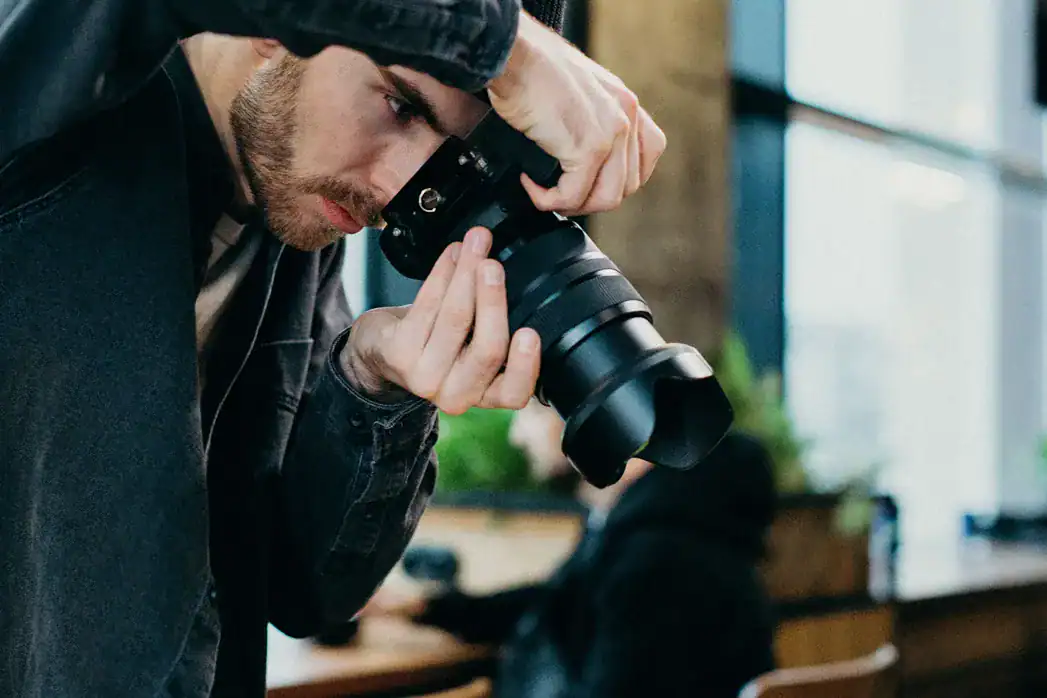
The timing gap is manageable once you plan for it. A few strategies can help you stay ready for surprises and keep your business running while you wait on final payments.
Tighten Your Payment Terms
The way you structure your contracts shapes how smoothly your cash flows. Adjusting your terms can pull more of your fee forward, closer to when your costs actually hit, and shrink the gap you have to bridge on your own. A few approaches help:
- Request a larger deposit to better match your upfront spending
- Add a milestone payment due on the shoot day itself
- Set a firm due date for the balance when you deliver the final work, with the terms written out clearly
- Bill destination travel costs separately and upfront
Keep Gear Ready Without Waiting on a Payout
Your gear is your livelihood, so it has to stay reliable no matter where a client sits in their payment cycle. A cracked lens or a failing camera body can happen between jobs, and that kind of repair can’t always wait for a balance to clear.
Keeping a small reserve for gear issues helps, though a major repair or a timely upgrade can run beyond what you have set aside. In those moments, having a way to act quickly keeps you shooting, since a missed booking over broken equipment costs far more than the repair itself.
To build that reserve, start by moving a small percentage of every client payment into a separate gear fund. From there, you can add a portion of each deposit and set aside a bit more during your busiest stretches, so the fund fills up steadily over time.
Beyond savings, you have other ways to stay shooting when gear goes down, such as:
- Renting a replacement lens or body for a specific shoot
- Borrowing backup equipment from a photographer friend or a local network
- Keeping a second body or backup lens on hand for emergencies
- Building a relationship with a local camera shop that offers quick repairs or loaners
Use Photography Business Funding to Help Bridge the Gap
This is where photography business funding through Giggle Finance fits, not as a one-time gear purchase, but as a way to smooth the timing gap itself. It gives you access to funds between the shoot and the final payout, so a repair, replacement, or upgrade doesn’t have to wait on a client’s payment schedule.
Here’s what makes it a practical fit:
- Approval Based on Your Real Revenue: Eligibility comes from your business deposit activity through a secure Plaid connection, with no W-2 paycheck required, no hard credit check, and no FICO minimum. A wedding photographer with a strong booking calendar can qualify on the strength of those deposits, even while several final balances are still outstanding.
- Fast Application and Funding: The application takes just a few minutes, and eligible photographers receive funds within minutes of approval. When your main lens cracks two days before a Saturday wedding, that speed means you can replace it and still make the shoot.
- Funding That Fits Your Freelance Photography Business: New customers can qualify for up to $15,000, while returning customers in good standing can qualify for up to $20,000. That range covers everything from a single lens repair to a full second-body-and-lighting upgrade before your busy season.
- Repayment That Moves With Your Income: Repayment comes from a percentage of your weekly business revenue, so a slower stretch brings a smaller payment. During a quiet winter between wedding seasons, your payment eases off, then picks back up when spring bookings roll in.
Shooting With Your Cash Flow Under Control
Once you understand the gap between your shoots and your payouts, you can plan around it by tightening your terms, keeping a cash reserve for gear, and having a way to bridge the longer waits. Together, those tips keep your freelance photography business steady between work and payment.
For the stretches when a repair or an upgrade can’t wait on a client’s balance, Giggle Finance is built to help you bridge the gap and keep shooting. Check your eligibility today and see what’s available based on your real business activity, so your cash flow stays as reliable as the work you provide.
Disclaimer: Giggle Finance provides Revenue-Based Financing programs for business purposes only. Any mention of any loan product(s), consumer product(s), or other forms of financing is solely for marketing and educational content purposes and to help distinguish Giggle Finance’s product from other comparable financing options available in the markets.