On this page
For a freelance photographer, your gear is your business. The camera body you shoot with, the lenses you use based on the setting, and the lighting you set up all shape the kind of work you can take on and what you can charge for it.
As your skills grow, your equipment needs to keep pace. Quality gear costs real money, but the right upgrade can often position you for bigger opportunities, stronger portfolios, and higher-paying projects down the road.
To help you make smart investment decisions, this guide breaks down the most common photography equipment upgrades and the smartest ways to fund them.
Key takeaways
- Camera bodies, lenses, lighting, and editing equipment are essential investments that can directly impact the quality of your work and earning potential.
- Reinvesting earnings, buying used gear, and using camera equipment financing strategically can make equipment upgrades more affordable.
- Giggle Finance evaluates business activity through a secure Plaid connection, making funding accessible for freelance photographers and other self-employed professionals.
- Revenue-based repayment adjusts alongside your business activity, helping accommodate the ups and downs of freelance income.
- Access to working capital can help photographers invest in equipment, pursue new opportunities, and continue growing their business.
Tools That Power a Professional Photography Business
While costs can vary widely depending on your specialty, experience level, and preferred brands, building a professional kit often involves several major investments.
Camera Bodies and Lenses
Your camera body and lenses represent the heart of your kit and usually the largest investment. A professional full-frame body can run into the thousands, and quality lenses often cost just as much. Whether you’re shooting weddings, portraits, commercial campaigns, real estate listings, sports events, or wildlife photography, the type of gear you use can influence the quality of your work and the opportunities available to you.
It’s also worth noting that lenses tend to hold their value well, which makes them a smart long-term investment. Still, building a complete lens lineup takes time and capital, especially when each piece carries a premium price tag.
Lighting, Modifiers, and Studio Gear
Great lighting separates amateur work from professional results. Building a lighting setup often involves several pieces working together, including:
- Strobes or speedlights for controlled, powerful light
- Softboxes, umbrellas, and modifiers to shape that light
- Light stands, booms, and clamps to position everything
- Backdrops and supports for studio and portrait work
Depending on your specialty, you may also need additional equipment such as reflectors, wireless triggers, continuous lighting, or portable power solutions for on-location shoots. For studio, portrait, commercial, and product photographers, these tools are often essential for delivering professional results and meeting client expectations.
Editing, Storage, and Backup Equipment
The work continues long after the shoot ends, which means your editing setup matters as much as your camera. A capable computer, a color-calibrated monitor, and editing software subscriptions form the core of your post-production workflow.
On top of that, reliable storage and backup systems protect your client files, since losing a wedding gallery or a commercial shoot could damage both your reputation and your income. These ongoing costs are easy to overlook, yet they keep your business running smoothly.
Ways to Fund Equipment Upgrades as a Photographer
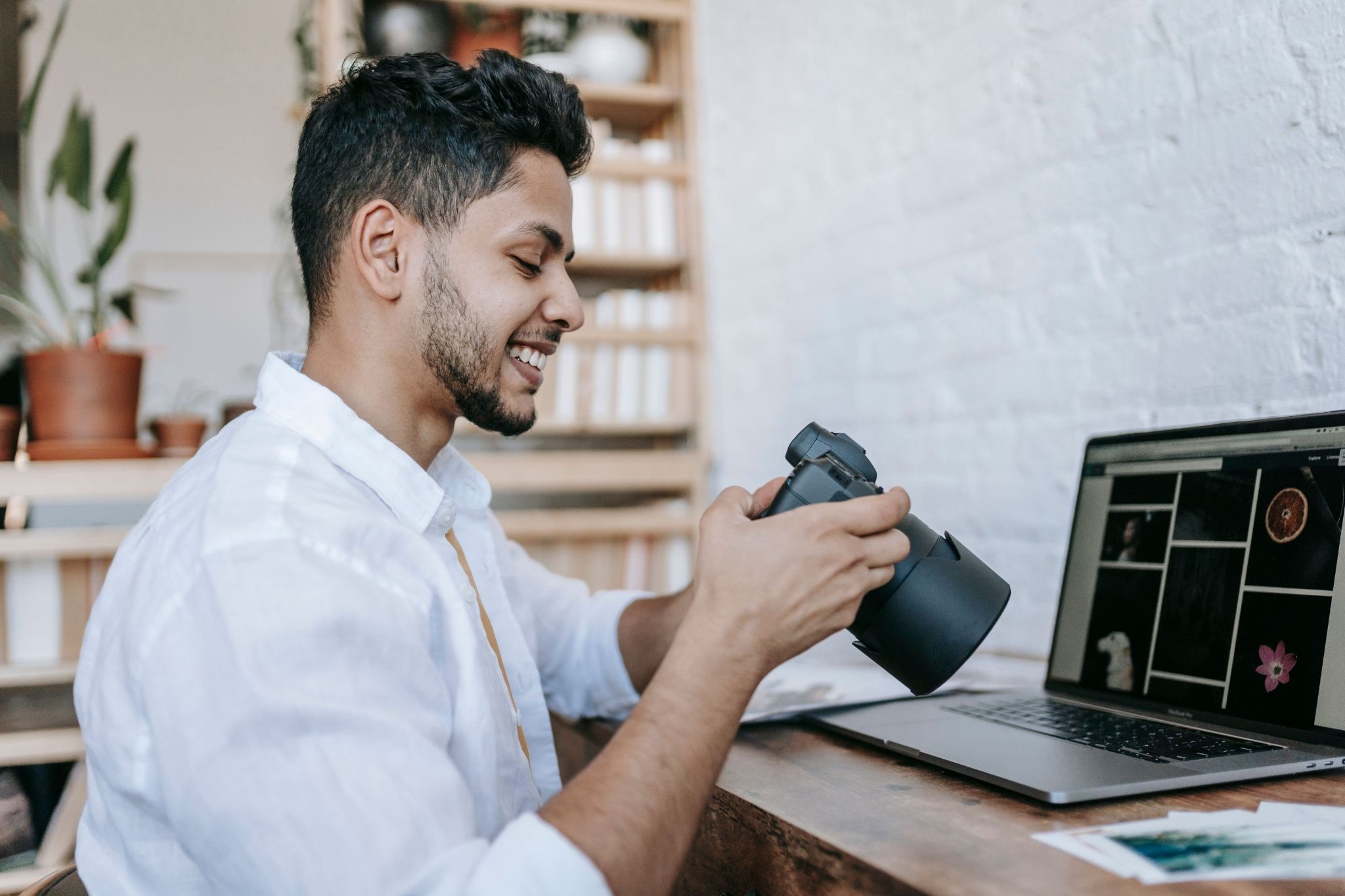
Once you know what you need, the question becomes how to pay for it. Several funding options exist for photographers, and the right one depends on the purchase size and your current cash flow.
1. Save and Reinvest From Strong Months
Getting into the habit of setting aside a portion of your earnings during busy periods can make future equipment upgrades much easier to manage. Wedding season, the holidays, and the fall portrait rush often bring higher income, making them good opportunities to start building a dedicated gear fund.
Over time, consistently reinvesting part of your revenue can help you upgrade your equipment while maintaining your working capital. This method also carries no borrowing cost, though it works best when your income allows for consistent saving.
2. Use Retailer or Card Financing for Smaller Gear
For smaller camera equipment purchases, such as a new lens, flash, memory cards, or lighting accessories, retailer financing or a business credit card can help spread out the cost while allowing you to put the gear to work right away.
However, it’s important to consider the total cost over time. Used strategically, these options can help you make smaller upgrades without disrupting cash flow, but carrying a balance for an extended period can increase costs significantly due to interest and penalties.
3. Buy Used or Refurbished Equipment
Camera bodies, lenses, and lighting equipment often continue to perform well secondhand, and reputable sellers typically inspect, test, and grade their inventory before resale.
Choosing gently used equipment for larger purchases can help reduce upfront costs while still giving you access to professional-grade gear. The money you save can be reinvested into other parts of your kit, marketing efforts, education, or other areas of your business that support long-term growth.
4. Use Freelance Photographer Funding for Larger Investments
When you’re ready for a major upgrade, such as a new camera body, a full lighting kit, or several lenses at once, gig worker funding offers a flexible path. This kind of creative business funding provides capital based on your business revenue, with repayment that scales as you earn.
Because freelance photographers’ income can fluctuate throughout the year, some funding options are designed to align more closely with the realities of self-employment. Depending on the provider, eligibility may be based on factors such as business revenue, deposit activity, or overall business performance rather than traditional employment documentation.
How Giggle Finance Helps Freelance Photographers
For larger equipment investments, freelance photographers can fund their gear through Giggle Finance, giving creative professionals a fast, flexible way to upgrade their gear.
Here’s what makes it a good fit for photographers.
Fast Funding Between Bookings
Sometimes a camera body stops working right before a booked shoot, a lens you’ve been planning to buy finally goes on sale, or a project comes along that requires equipment you don’t currently have. In situations like these, waiting months to save up may not always be practical.
Giggle Finance offers a fully online application that can be completed in just a few minutes, and eligible photographers may receive freelance photographer funding within minutes of approval. That quick access to working capital can make it easier to move forward with equipment purchases when timing matters most, helping you stay focused on upcoming shoots and business opportunities.
Funding for Both Today’s Needs and Tomorrow’s Upgrades
Whether you’re replacing a single lens or investing in a complete equipment setup, access to the right amount of capital can make planning easier. New customers can qualify for up to $15,000, while returning customers in good standing can qualify for up to $20,000, giving photographers more flexibility as their businesses grow.
No Hard Credit Requirements
Freelance photographers often have credit profiles that don’t reflect the health of their business. Giggle Finance approves based on your business deposit activity through a secure Plaid connection. A soft credit check is used to review eligibility, which means checking your options has no impact on your credit score. Your real income drives the decision, which makes freelance photographer funding accessible even when traditional lenders would hesitate.
Repayment That Fits Irregular Income
Photography work rarely follows the same pattern every month. One season may be packed with weddings, events, or commercial shoots, while another may leave larger gaps between bookings.
Giggle Finance uses weekly automatic payments based on your business revenue, so repayments track your business activity. When bookings are strong, payments may be higher. When work slows down, payments generally decrease, helping keep repayment tied to how your business is performing.
Building Business Credit as You Grow
In addition to covering the gear, Giggle Finance reports your payment activity to Experian and TransUnion. As you make consistent, on-time payments, you build business credit, which can support better terms and larger funding down the road.
Investing in the Gear That Grows Your Business
Your equipment and your earning potential grow together. Every upgrade, whether a new lens, a lighting kit, or a backup body, can help you expand your services, improve efficiency, and pursue new opportunities as your business evolves.
If the timing of an upgrade doesn’t quite line up with your booking calendar, Giggle Finance can help. With freelance photographer funding based on your business activity, photographers can access working capital to invest in equipment and business growth while continuing to focus on upcoming projects and client opportunities.
Ready to take your next equipment upgrade and start shooting with it? Check your eligibility today and see what funding options may be available.
Disclaimer: Giggle Finance provides Revenue-Based Financing programs for business purposes only. Any mention of any loan product(s), consumer product(s), or other forms of financing is solely for marketing and educational content purposes and to help distinguish Giggle Finance’s product from other comparable financing options available in the markets.