On this page
You can put in long hours dashing and still wonder why your take-home feels low. The truth is, most dashers do not earn less because they work less. They earn less because small decisions, like which zones to work, which orders to accept, and when to dash, add up to big differences over time.
To help you on how to make more money on DoorDash in 2026, this guide gives you 15 actionable tips, along with practical insight into how Giggle Finance supports Dashers when cash flow gaps arise.
Key takeaways
- Your true hourly rate only makes sense after you subtract fuel and vehicle costs. Most dashers skip this step and overestimate what they actually earn.
- Lunch and dinner rushes on weekends in dense zones are consistently the best windows to earn more per hour.
- Declining low-pay, long-distance orders is one of the fastest ways to raise your hourly rate without working more hours.
- Running a second app alongside DoorDash during slow stretches fills dead time and raises your total earnings without extra effort.
- The 2026 IRS mileage deduction is 72.5 cents per mile, which can add up quickly for active dashers. For example, a dasher covering 25,000 business miles could claim $18,125 in deductible expenses at tax time.
Know Your Numbers First
Before you change anything else, understand what you are actually earning.
Tip 1: Track Earnings Per Hour, Not Per Order
Do not judge a shift solely by how much you made in total. Instead, focus on what you earn per active hour, including any time spent waiting at restaurants.
To calculate this, divide your total pay by the number of hours you spent dashing. For example, an $80 shift over six hours works out to $13.33 per hour, while a $60 shift over three hours equals $20 per hour.
Although the second shift earned less overall, it generated a higher hourly rate because it required half the time to complete. Once you start measuring your earnings this way, it becomes much easier to identify which zones and time windows deliver the best returns.
Tip 2: Calculate Your True Hourly Rate After Expenses
Subtract your fuel and vehicle costs from every shift total before you call it profit. If you earned $80 but spent $14 on gas and put 60 miles on your car, your actual take-home is closer to $58 to $62. Knowing this number keeps you honest about which routes and orders are worth taking.
Work Smarter With Timing and Zones
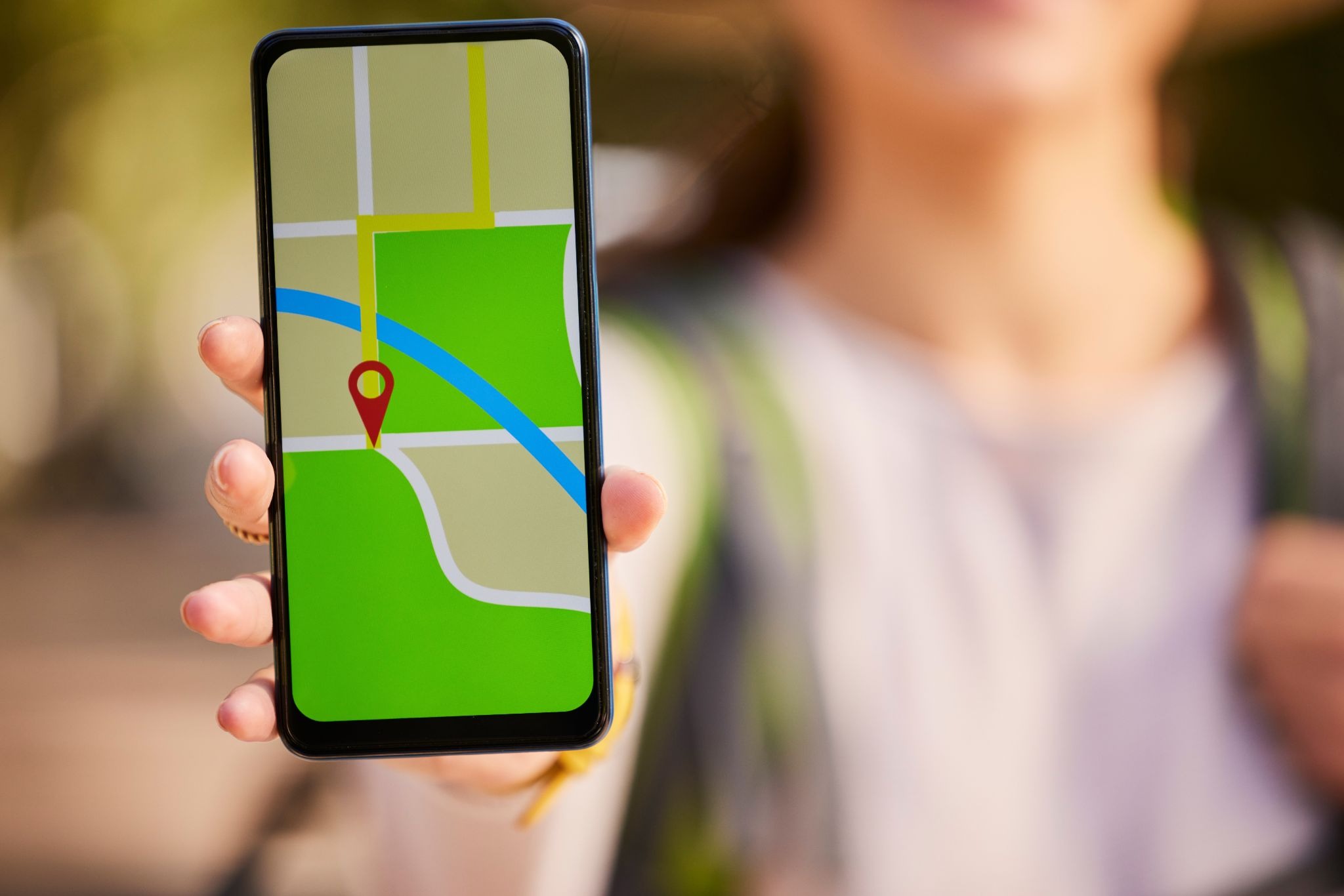
When and where you dash matters as much as how long you dash. The same four hours in the right zone during the right window can earn twice what you would make in a slow area on a slow day. Your pay mode matters too: here is how to decide between earn by time vs earn by order on DoorDash.
Tip 3: Learn Your Market’s Peak Hours
Most markets follow the same basic pattern:
- Lunch rush from 11 AM to 1:30 PM
- Dinner rush from 5 PM to 9 PM
- Late-night on Fridays and Saturdays from 9 PM to midnight
On top of that, weekends are consistently stronger than weekdays in most cities. However, every market is different, which is why it is worth tracking your earnings by time slot for two to three weeks. Doing so will help you identify which windows pay best in your area so you can schedule your dashing around them.
Tip 4: Chase Peak Pay and Promotions Strategically
Peak Pay adds $1 to $5 per delivery on top of your normal rate during busy periods. DoorDash also runs Challenges, where you earn a bonus for completing a set number of deliveries in a time window. So, check your app before you start each shift to see if any bonuses are active.
Completing a challenge during a natural peak window is one of the most effective ways on how to make more money on DoorDash, as it allows you to stack incentives on top of already busy periods without adding extra hours to the day.
Tip 5: Position Yourself in High-Density Zones
Park near a cluster of popular restaurants rather than in the middle of a residential area. This is because high-density zones with lots of restaurants close together often mean shorter pickup distances, faster batching opportunities, and more orders per hour.
In addition, areas with a mix of fast-casual restaurants, pizza spots, and Thai or sushi places tend to generate more consistent order volume during peak periods. Also, try positioning yourself near a hotspot rather than directly inside it to let the app bring orders to you.
Tip 6: Avoid Low-Tip Restaurants and Dead Zones
Over time, you will notice that certain restaurants consistently offer low-tip orders or have long wait times that reduce your hourly earnings. Because of this, keeping a mental list of those locations can help you make better decisions when orders come through.
Likewise, if an area regularly results in long trips with no return traffic, it may be time to relocate. Otherwise, you could end up spending valuable time waiting instead of earning.
Accept Smarter, Not More
Your acceptance rate does not need to be high to earn well. What matters is that the orders you do accept are worth your time and fuel.
Tip 7: Set a Minimum Per-Mile Rate and Stick to It
A simple rule is to only accept orders that pay at least $1.50 per mile, with $2 or more being the ideal target. For example, if an order shows $6 for a 5-mile delivery, that works out to $1.20 per mile and is usually worth declining. On the other hand, an $8 order for 3 miles equals $2.67 per mile, making it a much more profitable option.
By applying this filter consistently, you can improve your earnings per hour and make better use of the time you spend dashing.
Tip 8: Decline Long Low-Pay Orders Confidently
A 12-mile delivery for $7.50 takes just minutes. In that same time, you could complete two short orders in a dense zone and earn $14 to $18. Long, low-paying orders may keep you busy, but they often reduce your earnings per hour. Declining them is not about avoiding work. It is about making smarter decisions that protect your profitability.
Tip 9: Understand How Acceptance Rate Affects Your Access
Your acceptance rate can influence which orders DoorDash offers you first. A higher acceptance rate can give you earlier access to high-value orders, but this does not mean accepting everything. The sweet spot for most experienced dashers is around 50 to 70%. Below 50%, some markets may limit your access to top-pay orders. Above 70%, you are likely accepting too many low earners.
Stack and Combine Platforms
Relying on a single platform can leave you waiting during slower periods. Using a second app alongside DoorDash gives you more opportunities to earn and helps make better use of your time on the road.
Tip 10: Multi-App With Uber Eats or Instacart
Keep DoorDash as your primary app and use Uber Eats or Instacart as a backup. When DoorDash slows down, you can switch to your secondary app to keep orders coming in. If both platforms offer deliveries at the same time, compare the opportunities and accept the better one.
However, avoid taking active orders from multiple apps simultaneously, as this can delay deliveries and negatively affect your ratings. The goal is to reduce dead time between orders and keep your earnings moving. Comparing which platform pays more in your market also helps you decide which second app to prioritize.
Tip 11: Use Amazon Flex for Slow DoorDash Periods
Amazon Flex blocks pay a fixed amount for a scheduled delivery window, which makes them ideal for filling slow DoorDash periods like Tuesday mornings or slow January weeks. You can complete a three or four-hour Flex block when DoorDash demand is low, then switch back to DoorDash when the dinner rush starts. This keeps your earnings consistent even when one platform has a slow day.
Protect and Maximize Every Dollar You Earn
Earning more per shift is only half the equation. Keeping more of what you earn is just as important.
Tip 12: Claim the 2026 IRS Mileage Deduction
Every business mile you drive is deductible at 72.5 cents per mile in 2026. This means a dasher covering 25,000 miles per year could deduct $18,125 from their taxable income. Not surprisingly, it is one of the largest tax benefits available to delivery drivers. Yet many dashers leave money on the table by failing to track their mileage properly. Keeping accurate records can make a meaningful difference when tax season arrives.
Tip 13: Use a Fuel-Efficient Vehicle or Optimize Your Route
Fuel is your biggest ongoing expense, which is why vehicle efficiency matters so much. A vehicle that gets 50 MPG costs roughly half as much to run per mile as one that gets 25 MPG. Over time, those savings can add up to more than $2,000 per year.
As such, planning more efficient routes can help reduce fuel consumption even further. For drivers considering an upgrade, our guide to the best cars for delivery drivers in 2026 compares the top options available.
Tip 14: Use DasherDirect for 2% Gas Cashback
The DasherDirect prepaid card gives you instant access to your earnings as you complete deliveries, plus 2% cash back every time you use it to pay for gas. If you spend $300 per month on fuel, that is $6 back automatically every month, or $72 per year for doing nothing different. It is a small win but a free one. You can sign up through the DasherDirect page to have access.
Tip 15: Track Every Business Expense for Tax Time
Beyond mileage, you may also be able to deduct insulated bags, phone mounts, a portion of your phone bill, car washes, and other equipment used for deliveries. These deductions reduce your taxable income, which means you keep more of what you earn. Delivery drivers who understand their full tax picture consistently come out ahead at tax time compared to those who only track mileage.
While You Scale Up: How Giggle Finance Bridges the Gap
Building better dashing habits takes time, and the results do not happen overnight. In the meantime, unexpected expenses and slower earning periods can still put pressure on your cash flow.
Giggle Finance is built for exactly this period. With a soft credit check only, approval decisions in minutes, and repayment tied to your earnings, delivery drivers can access funding for fuel, repairs, and other business expenses without taking on a fixed monthly obligation. You can even check how much you may qualify for before applying.
Start Earning More on Your Next Shift
You do not need to overhaul everything at once. Pick two or three tips from this list and apply them to your next shift. Small, consistent changes are exactly how to make more money on DoorDash in practice.
And when you need a fast, flexible way to cover business costs while your earnings grow, Giggle Finance is here for DoorDash drivers.
Want the baseline these tips build on? Start with how much DoorDash drivers make in 2026.
Disclaimer: Giggle Finance provides Revenue-Based Financing programs for business purposes only. Any mention of any loan product(s), consumer product(s), or other forms of financing is solely for marketing and educational content purposes and to help distinguish Giggle Finance’s product from other comparable financing options available in the market.