
On this page
For handmade sellers, the holiday rush starts long before the first gift shopper hits the site. While a reseller can order finished stock and list it, you have to buy your raw materials, then turn them into products by hand, all well ahead of the season. That head start is what makes a strong fourth quarter possible.
The challenge is that this early prep ties up your cash months before the sales roll in. Buying a season’s worth of materials is a real investment, and doing it without draining your working capital takes a plan. Here’s why makers prepare so early, what a solid materials plan looks like, and how to fund it while keeping your Etsy shop running smoothly.
Key takeaways
- Etsy shop owners need to prepare early because raw materials must arrive before production can begin, often creating a longer lead time before products are ready to sell.
- Supplier payment terms, bulk discounts, and revenue-based funding can provide additional ways to manage larger material orders before holiday sales come in.
- If your reserve falls short, Giggle Finance may provide qualified handmade sellers with up to $15,000 for new customers and up to $20,000 for returning customers, with repayments tied to business revenue.
Why Handmade Sellers Have to Prepare So Early
Handmade sellers often need to prepare well before demand starts to rise. Between ordering materials, making products, and building enough inventory for the busiest months, getting an early start can make holiday planning much easier.
The Double Lead Time of Buying and Making
A handmade business has to account for two timelines before a product is ready to sell. First, you need to order and receive the raw materials. Then, you need time to turn those materials into finished products.
For example, a candlemaker preparing for the holidays may need to order wax, jars, wicks, and fragrance oils well in advance. Once the supplies arrive, the candles still have to be poured, cured, labeled, and packaged before they can be sold. Since curing alone can take a couple of weeks, the process can stretch across several weeks.
These handmade business inventory costs require you to spend money before finished products start generating sales, making early preparation especially important.
The High Stakes of a Q4-Driven Year
For many handmade businesses, the final few months of the year bring some of the strongest sales. Holiday shopping can increase demand for gifts, decorations, and other handmade products, making October through December an especially important period.
Because so much demand is concentrated in a short window, having enough inventory and materials ready matters. If you run out of stock during a busy week, you may miss sales that are difficult to recover once the holiday season passes. Preparing early can help you stay stocked and make the most of the demand while it lasts.
What Goes Into a Peak-Season Materials Plan
A good materials plan helps you figure out what to buy, how much you need, and when to order it. This can help you avoid running short during busy periods while keeping you from overspending on supplies you may not use.
Map Your Materials to Expected Orders
Start by estimating how many orders you expect during the holiday season, then work backward to calculate the materials you will need. A simple mapping process helps:
- Review sales from past holiday seasons to estimate this year’s demand.
- List the materials needed for each product, such as wax, fabric, clay, yarn, or jewelry findings.
- Calculate how much of each material you need based on your expected number of orders.
- Add a small buffer for bestsellers, custom orders, or wholesale requests.
This approach can help you buy enough for your busiest products without tying up too much cash in materials that may sit unused.
Account for Supplier Lead Times
Your own production schedule is only one part of holiday preparation. Suppliers can also get busier during peak season, which may affect product availability, prices, and delivery times.
You may run into situations such as:
- Specialty materials going on backorder as demand increases.
- Seasonal fabrics, yarns, or colors selling out.
- Longer delivery times because suppliers are processing more orders.
- Price changes on materials you regularly use.
Ordering earlier gives you more time to adjust if a supplier runs out of something or a shipment takes longer than expected. Building these lead times into your seasonal craft business cash flow plan can also help you spread out purchases and keep production moving as the holiday rush approaches.
Funding Your Materials Without Draining Working Capital
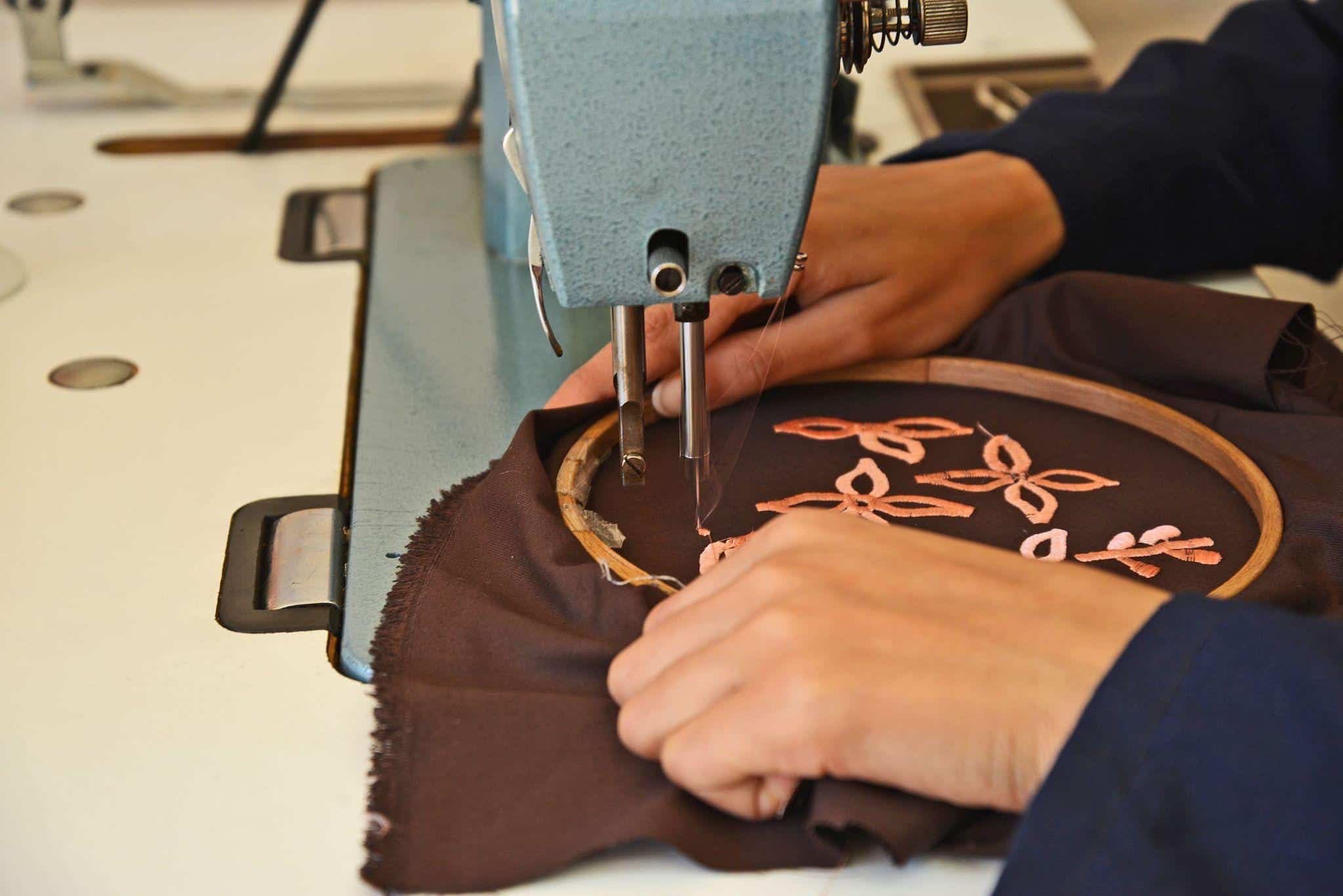
Buying materials for a busy season often means spending money weeks or even months before those products generate sales. A large order for wax, fabric, packaging, beads, clay, or other supplies can take a sizable amount of cash out of your business at once.
The goal is to cover those purchases while still keeping enough money available for everyday expenses. These strategies can help.
Reinvest Earnings From Stronger Months
During busier sales periods, consider setting aside part of your earnings for future material purchases. Even a small percentage, such as 15% or lower, from each strong month can gradually build a useful fund before holiday production begins. Using money you have already saved can also reduce how much outside Etsy shop funding you may need when it is time to place a larger supplier order.
Keep a Dedicated Materials Reserve
A dedicated materials reserve makes it easier to keep supply money separate from the rest of your business cash.
You could transfer a fixed percentage of every sale into a separate business savings account and use that money only for raw materials and inventory. Over time, the reserve can help cover larger seasonal orders without taking as much cash away from day-to-day operations.
Spread Purchases Across a Schedule
You do not always need to buy all the materials at once. Breaking a large seasonal order into smaller purchases can spread the handmade business inventory costs across several weeks or months. Ordering earlier can also give you more flexibility if an item goes out of stock or shipping takes longer than expected.
To help you keep track of your purchases, create an ordering calendar based on when you need to start production and how long each supplier typically takes to deliver.
Ask Suppliers About Payment Options
If you regularly buy from the same suppliers, check whether they offer bulk pricing, payment terms, or other options for established customers. For example, a supplier may allow you to pay an invoice after a set period instead of paying the full amount upfront. Others may offer discounts when you order larger quantities. Reviewing these options before peak season can help reduce the amount of cash you need at one time.
Consider Etsy Shop Funding for a Larger Materials Order
If your savings and materials reserve do not fully cover a larger seasonal purchase, Etsy shop funding through Giggle Finance may provide additional working capital for eligible handmade sellers.
Features that may be useful include:
- Built Around Your Shop’s Revenue: Giggle Finance looks primarily at the business deposits flowing into your connected bank account through Plaid, so you do not need a W-2 paycheck or minimum FICO score to apply.
- Useful When Supplier Timing Matters: The application takes just a few minutes, which can be helpful if you need to secure materials before stock runs low, prices change, or shipping timelines get longer.
- Room for Bigger Seasonal Purchases: Qualified new customers may access up to $15,000, while returning customers in good standing may qualify for up to $20,000 to put toward eligible costs such as raw materials, packaging, labels, and shipping supplies.
- Payments Follow Your Business Revenue: Repayments are collected weekly as a percentage of your business revenue, allowing the amount to move with stronger and quieter sales periods.
- Your Payments Can Support Business Credit Growth: Giggle Finance reports on-time payments to Experian and TransUnion, so responsible repayment can also contribute to building your business credit over time.
Revenue-based funding can work alongside your savings and materials reserve when a larger purchase comes due before seasonal sales arrive. You can also explore funding for self-employed workers to learn more about Etsy shop funding options as your handmade shop grows.
Building Your Best Season Yet
A strong holiday season starts with preparing before demand picks up. Estimate what you expect to sell, order materials early, and spread out larger purchases so you can keep enough cash available for the rest of your business.
If a larger materials order exceeds your reserve, Giggle Finance may provide additional working capital for qualified handmade sellers. You can use it toward eligible business costs, such as raw materials, packaging, and other production expenses, to keep your shop moving through the season.
For more guidance on managing seasonal craft business cash flow, planning inventory purchases, and preparing for busy sales periods, you can also explore the Giggle Finance blog for resources created for self-employed business owners.
Disclaimer: Giggle Finance provides Revenue-Based Financing programs for business purposes only. Any mention of any loan product(s), consumer product(s), or other forms of financing is solely for marketing and educational content purposes and to help distinguish Giggle Finance’s product from other comparable financing options available in the markets.