On this page
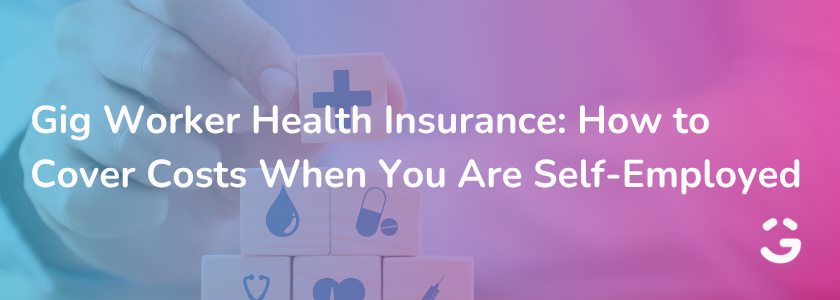
For many gig workers and freelancers, self-employment also means losing access to employer-sponsored health insurance. At the same time, the financial risk of going without coverage can be significant, as a routine medical issue, an emergency room visit, or an unexpected procedure can quickly become costly. Because of this, understanding your health coverage options is an important step toward protecting both your health and your finances.
However, choosing a health insurance plan is only part of the equation. Paying for premiums and other healthcare expenses can become challenging when income fluctuates, which is why cash flow management is such an important part of staying covered.
During slower periods, funding solutions like Giggle Finance can help self-employed workers navigate temporary cash flow gaps while staying on top of operational expenses.
Key takeaways
- Self-employed workers must secure their own health coverage, and understanding the available options can help balance both healthcare needs and budget considerations.
- ACA Marketplace plans, Medicaid, health sharing plans, HDHPs, and short-term coverage each serve different situations, making it important to compare benefits, costs, and eligibility requirements.
- Choosing the right plan requires looking beyond monthly premiums and considering deductibles, out-of-pocket costs, expected healthcare usage, and potential subsidy eligibility.
- Healthcare expenses can arise during slower earning periods, which is why many self-employed workers prepare for temporary cash flow gaps before they occur.
- Funding solutions designed for gig workers can provide additional flexibility when managing healthcare costs alongside ongoing business and personal expenses.
Health Coverage Options for the Self-Employed
Self-employed workers, including gig workers and freelancers, have several health coverage options available, and understanding how each one works can make it easier to choose a plan that fits both your healthcare needs and your budget.
ACA Marketplace Plans
For self-employed workers and independent contractors, the Affordable Care Act (ACA) Marketplace provides a way to compare plans from different insurance providers and choose coverage that aligns with both healthcare needs and budget.
These plans are available through federal and state health insurance marketplaces and are designed for individuals and families who do not receive coverage through an employer. Marketplace plans are typically grouped into coverage tiers that determine how costs are shared between you and the insurance provider:
- Bronze Plans: Generally have lower monthly premiums but higher deductibles and out-of-pocket costs when care is needed.
- Silver Plans: Balance monthly premiums and healthcare costs, and they are often a popular option for individuals who qualify for additional financial assistance.
- Gold Plans: Usually come with higher monthly premiums but lower deductibles and copays, helping reduce costs when receiving medical care.
- Platinum Plans: Where available, often have the highest premiums but the lowest out-of-pocket expenses.
Since subsidy eligibility can change as income changes, estimating annual earnings as accurately as possible during enrollment can help you maximize available savings.
Medicaid
Medicaid is a government health insurance program that provides low-cost or no-cost coverage for eligible individuals and families. For self-employed workers who are starting a business or experiencing lower income, Medicaid may be one of the most affordable healthcare options available.
Some of the benefits commonly include:
- Transportation assistance for eligible medical appointments
- Inpatient hospital care
- Outpatient medical services
- Care provided through community health centers
- Laboratory testing and diagnostic imaging
- Nursing facility and long-term care services
- Physician and primary care visits
- Home healthcare services for qualifying individuals
Some states have expanded Medicaid eligibility to cover adults below certain household income thresholds, while others follow different qualification guidelines. In addition, some states provide coverage directly through Medicaid, while others use private insurance companies to administer benefits.
Because income requirements and available benefits differ by state, it is important to review your state’s specific program when exploring coverage options. Even if you are unsure whether you qualify, applying may still be worthwhile, especially if your income has recently changed or if your household circumstances meet other eligibility requirements.
Health Sharing Plans
Health sharing plans are membership-based programs in which participants contribute funds that help cover eligible healthcare expenses across a community of members. For some gig workers, these programs can offer a lower-cost alternative to traditional health insurance.
Common features may include:
- Lower monthly contributions
- Flexible participation structures
- Shared healthcare expense programs
However, it is important to understand that health sharing plans operate differently from traditional insurance policies and may not provide the same coverage protections or guarantees.
HDHP
A High-Deductible Health Plan (HDHP) is a type of health insurance that typically comes with lower monthly premiums but higher out-of-pocket costs before coverage begins. This means you may pay less each month for insurance, though you will generally need to cover a larger deductible before the plan starts sharing healthcare costs.
One feature that makes HDHPs attractive to some self-employed workers is their eligibility for a Health Savings Account (HSA). An HSA allows you to set aside pre-tax money for qualified medical expenses, which can help reduce taxable income while creating a dedicated fund for future healthcare needs.
However, it is important to evaluate your financial situation carefully before enrolling. Since these plans come with higher deductibles, you should be prepared to cover more healthcare expenses out of pocket before insurance benefits begin.
Short-Term Health Plans
Short-term health plans provide temporary health coverage for independent contractors who need insurance during a transition period.
These plans may appeal to gig workers who need coverage during:
- Recently leaving employer-sponsored coverage
- Waiting for another health plan to begin
- Temporary gaps between insurance policies
- Early stages of self-employment when evaluating long-term coverage options
Some short-term plans can begin shortly after approval, making them a relatively fast option for individuals who need coverage quickly. Depending on the provider and plan type, coverage periods can range from several months to multiple years.
How to Choose the Right Plan for Your Situation

Choosing health insurance involves more than simply selecting the plan with the lowest monthly premium. By looking at the full picture, self-employed workers can make decisions that better support both their health and long-term financial stability.
Factor in Your Income and Eligibility for Subsidies
Income plays a major role in determining how affordable health coverage will be. When evaluating plans, consider:
- Expected annual earnings
- Seasonal income fluctuations
- Household income
- Potential subsidy eligibility
Since gig income can change throughout the year, it is also important to update income estimates when necessary. Keeping your information current can help ensure you receive the correct level of assistance and reduce the likelihood of unexpected adjustments during tax season.
Consider Your Healthcare Needs and Usage
The best health plan for one person may not be the best choice for another. Your expected healthcare usage should be one of the main factors when deciding which type of coverage fits your needs.
Consider factors such as:
- Prescription medications
- Routine medical visits
- Specialist appointments
- Family healthcare needs
- Mental health services
- Planned procedures or treatments
For example, someone who visits healthcare providers regularly may benefit from a plan with higher monthly premiums but lower out-of-pocket costs. On the other hand, a relatively healthy individual with limited medical needs may prioritize lower monthly expenses.
Account for Premiums, Deductibles, and Out-of-Pocket Maximums
Monthly premiums are often the first number people notice when comparing plans, but they only tell part of the story. To understand the true cost of coverage, it is important to review all major cost-sharing components.
When comparing plans, review:
- Monthly premiums
- Annual deductibles
- Copayments
- Coinsurance
- Out-of-pocket maximums
Looking at these costs together provides a clearer view of what healthcare could cost over the course of a year. A plan with a lower premium may come with higher out-of-pocket expenses when care is needed, while a higher-premium plan may provide greater cost predictability for those who use medical services more frequently.
Managing Healthcare Costs on Irregular Income
Variable income can make healthcare expenses harder to plan for, especially when premiums, prescriptions, and unexpected medical bills continue regardless of how much you earn in a given month.
Fortunately, a few proactive financial habits can help make self-employed healthcare costs more manageable and reduce the risk of healthcare expenses disrupting your overall budget.
Build a Dedicated Healthcare Fund
Setting aside money specifically for healthcare expenses can help reduce financial stress when medical bills arise. Even small contributions made consistently throughout the year can create a useful financial buffer during unexpected situations.
Over time, this dedicated reserve can make it easier to handle healthcare costs without affecting other business or personal financial priorities.
Use an HSA If You Qualify
Workers enrolled in eligible high-deductible health plans can qualify for an HSA. Having one allows you to set aside money specifically for qualified medical expenses while also providing valuable tax advantages.
For self-employed workers, an HSA can serve as both a healthcare planning tool and a way to prepare for future medical expenses while building savings over time.
Plan for Quarterly Premium Payments
Healthcare expenses often become easier to manage when they are incorporated into broader financial planning. Creating quarterly reviews helps account for:
- Premium changes
- Income fluctuations
- Upcoming medical expenses
- Tax obligations
- Savings goals
Regular check-ins can help identify potential budget adjustments early and make healthcare expenses feel more predictable throughout the year, even when income varies from season to season.
Consider Funding Options During Cash Flow Gaps
Even with careful planning, healthcare expenses do not always arrive at convenient times. A premium payment, prescription refill, or unexpected medical bill may come due during a slower earning period when cash flow is temporarily stretched.
In those situations, some self-employed workers explore funding solutions to help bridge short-term gaps while keeping essential expenses current. Access to working capital can provide additional flexibility when managing business obligations.
How Giggle Finance Supports Self-Employed Workers
Health insurance planning often works best when supported by a stable cash flow. Giggle Finance helps self-employed workers navigate financial gaps that can occur when income fluctuates throughout the year.
A Revenue-Based Funding Model for Gig Workers
Giggle Finance uses a revenue-based funding model designed around self-employed income.
The approval process focuses on:
- Business deposit activity
- Revenue consistency
- Account health
- Recent earnings history
This approach aligns more naturally with the realities of gig work than many traditional financing models.
Cash Flow Stability That Supports Consistent Coverage
Healthcare premiums continue regardless of whether the business is experiencing a strong month or a slower period. Having access to working capital can help self-employed workers maintain financial stability while managing operational expenses that support both their personal and professional lives.
Fast Funding for Business Needs During Slower Stretches
Slower periods can create pressure when business expenses continue arriving on schedule. Giggle Finance offers:
- A fully online application
- Applications that typically take just a few minutes
- Approval based on business activity
- Fast funding timelines after approval
That speed can help workers address time-sensitive financial needs while continuing to focus on growing their business.
Repayment That Scales With Your Earnings
One challenge with traditional financing is that fixed payments remain unchanged regardless of income fluctuations. Giggle Finance ties repayment to revenue, helping payments adjust alongside earnings activity.
For gig workers navigating changing income levels throughout the year, that structure can provide additional flexibility while maintaining progress toward repayment.
Building a Sustainable Plan for Health and Financial Wellness
Managing healthcare as a self-employed worker requires planning, but the right approach can make coverage significantly more manageable. At the same time, maintaining coverage often depends on managing self-employed healthcare costs effectively. Building savings, planning for premiums, and preparing for income fluctuations can help create greater financial stability over the long term.
Giggle Finance supports self-employed workers with funding built around real earnings activity and the realities of gig income. Explore your options today and see how much you can qualify for and what funding opportunities may be available based on how your business actually earns.
Disclaimer: Giggle Finance provides Revenue-Based Financing programs for business purposes only. Any mention of any loan product(s), consumer product(s), or other forms of financing is solely for marketing and educational content purposes and to help distinguish Giggle Finance’s product from other comparable financing options available in the markets.