On this page
- 1. Buy in the Slow Season, Not the Rush
- 2. Prioritize Gear That Unlocks Higher-Paying Work
- 3. Reinvest a Set Percentage of Each Booking
- 4. Buy Used or Refurbished When New Is Not Necessary
- 5. Time Larger Purchases Around Confirmed Bookings
- 6. Keep a Repair Reserve Separate From Your Upgrade Fund
- 7. Match the Financing Structure to Your Booking Cycle
- 8. Use Funding for Larger Purchases
- How Giggle Finance Helps Photographers
- Gearing Up for Your Next Season
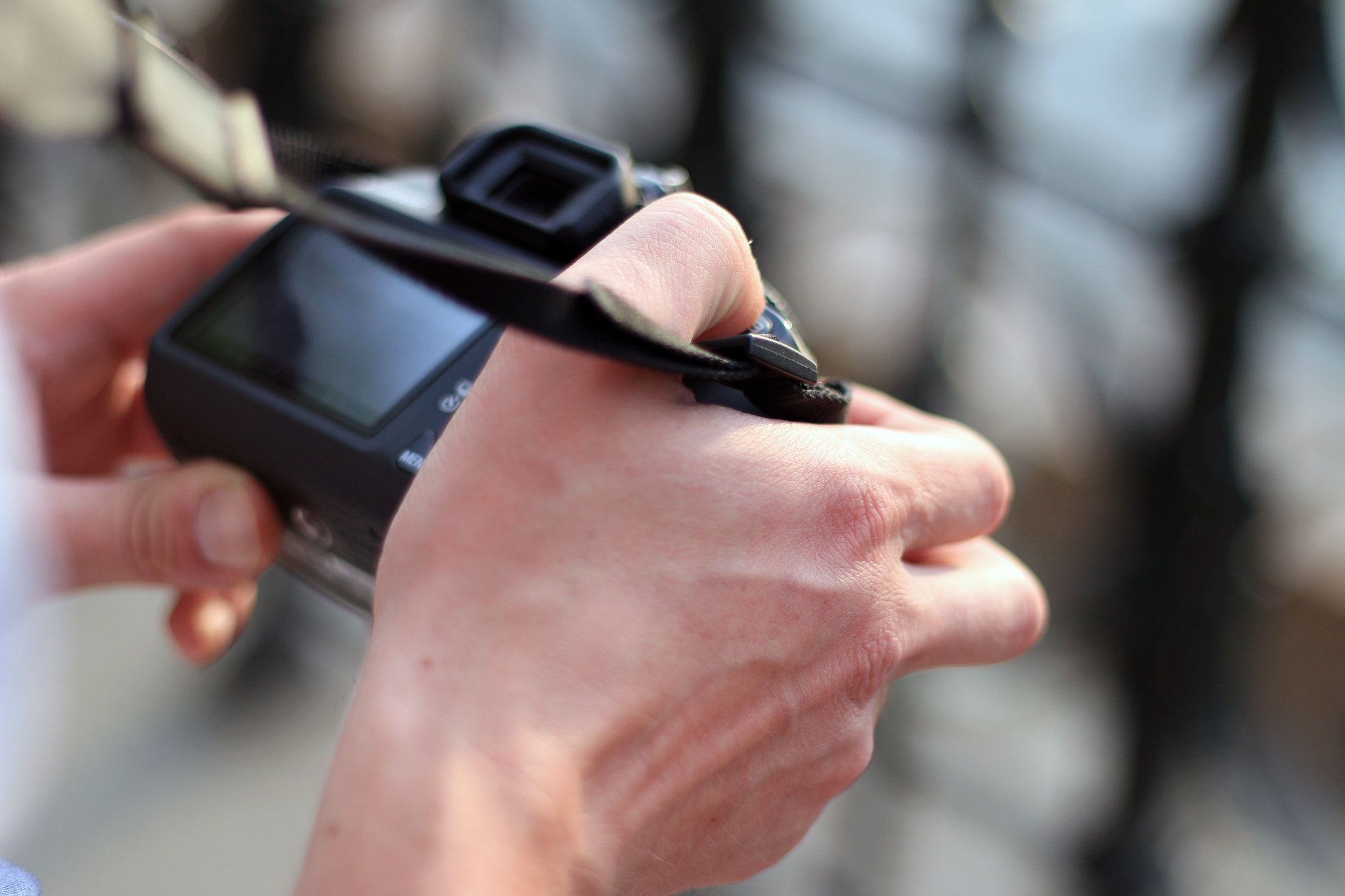
The right camera body, lens, or lighting setup can expand the type of work you take on and help you deliver the quality clients expect. But professional photography gear can be expensive, and buying too much at once can put unnecessary pressure on the cash you still need for editing software, travel, insurance, marketing, and other business costs.
The good news is that smart timing and the right approach let you build your kit without the financial strain. That starts with choosing the right way to pay for each upgrade, so here are eight practical ways to approach photographer equipment financing while keeping the rest of your business cash flow on track.
Key takeaways
- Used or refurbished equipment can stretch your budget further when the latest model is not necessary for the work you do.
- Larger purchases are easier to justify when they support confirmed bookings or equipment you expect to use across multiple future projects.
- Keep repair savings separate from your upgrade fund, so an unexpected equipment failure does not derail your plans or upcoming work.
- When outside camera gear funding makes sense, compare the total cost and repayment structure carefully, and consider options such as equipment financing, business credit, or revenue-based business funding.
1. Buy in the Slow Season, Not the Rush
Buying during your busiest season may mean learning a new camera body, lens, or lighting setup while you are already juggling shoots, edits, and client deadlines.
Instead, use a quieter period to make larger purchases when possible. That gives you time to test the gear, learn the settings, and work out any issues before your schedule fills up again. Slower months may also line up with holiday promotions, year-end sales, or manufacturer discounts, which can help reduce the upfront cost.
Planning this way means you enter your next busy season with equipment you already know how to use, rather than figuring it out on a paid shoot.
2. Prioritize Gear That Unlocks Higher-Paying Work
Not every upgrade needs to happen at once. A better way to prioritize is to focus on equipment that helps you take on work you cannot currently offer or improves the quality of services clients are already paying for.
That might include:
- A second camera body that gives you a reliable backup for weddings and events
- A fast prime lens that improves portraits or low-light event work
- A professional lighting kit that supports commercial and product photography
- A wide-angle lens that lets you add real estate or architectural photography
- Audio or stabilization equipment if you are expanding into video work
Before buying, ask what the new equipment will allow you to do differently. If it helps you qualify for a wider range of bookings, raise the value of an existing service, or reduce the risk of losing work because you lack the right setup, it may deserve a higher place on your list.
3. Reinvest a Set Percentage of Each Booking
A dedicated gear fund can make upgrades easier to manage because you are saving for them gradually rather than covering the full cost from one month of income. One simple approach is to set aside a fixed percentage of every paid booking specifically for equipment.
For example, if you decide to save 10% and earn $2,000 from a wedding, $200 goes directly into your gear fund. After several bookings, that money can build into a useful amount for a new lens, lighting equipment, batteries, memory cards, or part of a larger camera purchase.
This approach turns camera gear funding into a regular part of your business planning. It also helps protect the cash you still need for insurance, software, travel, taxes, and other operating expenses.
4. Buy Used or Refurbished When New Is Not Necessary
Cameras, lenses, flashes, stands, and other photography gear can often remain useful for years, which means used or professionally refurbished equipment may give you the performance you need at a lower cost.
Look for reputable sellers that inspect, grade, and clearly describe the condition of the equipment, and review any warranty or return policy before buying. Lenses, lighting equipment, and backup bodies can be particularly good candidates when you do not need the latest model.
The goal is to spend less on older or refurbished gear when it can still do the job well. That leaves more of your budget available for equipment where newer features, such as faster autofocus, better low-light performance, or improved video capabilities, can directly support the work you take on.
5. Time Larger Purchases Around Confirmed Bookings
A major photography equipment purchase can feel easier to justify when it is connected to work you have already secured. If a confirmed project requires equipment you do not currently own, you can compare the expected income from that booking with the cost of buying, renting, or financing the gear.
Say you land a commercial product shoot that requires a stronger lighting setup. If similar projects are likely to come up again, buying the equipment may make sense because it supports both the confirmed job and future bookings.
Before purchasing, look beyond the first shoot and consider how often you expect to use the gear afterward. That helps you avoid spending heavily on equipment for a one-time project when renting might make more financial sense.
6. Keep a Repair Reserve Separate From Your Upgrade Fund
Saving for upgrades is useful, but repairs deserve their own budget. Camera bodies, lenses, flashes, computers, and other essential equipment can fail unexpectedly, and a repair may need to happen quickly if you already have paid work scheduled.
Keeping a separate repair reserve means an equipment failure does not automatically wipe out the money you have been saving for your next planned upgrade. Even a modest amount set aside from each booking can build a cushion for sensor repairs, lens damage, battery replacement, or an emergency backup purchase.
Separating the two funds also makes your priorities clearer. Your upgrade money supports planned growth, while your repair reserve helps protect the equipment and income you already depend on
7. Match the Financing Structure to Your Booking Cycle
If you decide to finance photography equipment, look closely at how repayment fits with the way your photography income actually comes in. A payment that feels comfortable during wedding season may put much more pressure on your cash flow during a quieter winter month.
Compare how often payments are collected, whether the amount is fixed or variable, the total cost of financing, and how long repayment lasts. Then look at those terms alongside your expected booking calendar.
A structure that stays manageable across both busy and slower periods can make a large purchase easier to carry. The goal is to avoid choosing camera gear funding based only on what you can afford during your strongest month.
8. Use Funding for Larger Purchases
For bigger equipment purchases, you may not want to use all of your available cash at once. Instead, compare a few camera gear funding options and look at how each one fits the cost of the gear, your booking schedule, and the way your freelance photography business earns.
A few options to consider include:
- Business Credit Cards: Useful for smaller photography equipment purchases or accessories, especially if you can repay the balance quickly and keep interest costs under control.
- Equipment Financing: Designed specifically for business equipment and may work well when you already know exactly what camera body, lighting setup, or other gear you need to purchase.
- Revenue-Based Financing: Provides business capital based largely on your revenue, with repayment tied to a percentage of earnings, which can suit a freelance photography business with busy and slower seasons.
- Business Savings: If you have enough set aside, using part of your existing gear fund can reduce how much outside funding you need while keeping the rest of your operating cash available.
Before choosing an option, compare the total cost, repayment schedule, fees, and how much cash you need to keep available for your regular expenses. The right approach is the one that helps you get the equipment you need without putting unnecessary pressure on the rest of your cash flow.
How Giggle Finance Helps Photographers
For larger gear purchases or unexpected equipment repairs, Giggle Finance offers revenue-based funding designed around the way photographers earn. It can provide qualified photographers with additional capital for eligible freelance photography business expenses ahead of a booked shoot or busy season.
Here’s what makes it a fit:
- Approval Based on Your Real Earnings: Eligibility comes from your business deposit activity through a secure Plaid connection, with no W-2 paycheck required.
- Fast Application and Funding: The application takes just a few minutes, and eligible photographers may receive funds shortly after approval, which can be useful when an equipment expense cannot wait.
- Funding That Fits Your Business: Qualified new customers may access up to $15,000, while returning customers in good standing may qualify for up to $20,000, giving you flexibility for anything from a single lens to a larger kit upgrade.
- Savings for Paying Early: You can prepay your funding and receive a discount, giving you an opportunity to reduce your overall cost when income is high.
- Repayment That Moves With Your Bookings: Weekly repayment is based on a percentage of your revenue, so the amount can adjust as your photography income changes.
- Credit Reporting: On-time payment activity is reported to Experian and TransUnion and may help you build your business credit profile over time.
Planning your next equipment upgrade? Check your eligibility with Giggle Finance and take the next step when the timing is right.
Gearing Up for Your Next Season
Building your kit the smart way comes down to timing your purchases well, prioritizing the gear that grows your income, and choosing financing that flexes with your season. With a clear plan, you can upgrade your equipment and keep your cash flow healthy at the same time.
And gear is only one part of running a freelance photography business. For more practical guidance on managing cash flow, planning for expenses, and growing your freelance income, explore more resources on the Giggle Finance blog.
Disclaimer: Giggle Finance provides Revenue-Based Financing programs for business purposes only. Any mention of any loan product(s), consumer product(s), or other forms of financing is solely for marketing and educational content purposes and to help distinguish Giggle Finance’s product from other comparable financing options available in the markets.