Freelancers often operate in a space where personal and business finances overlap. For instance, you may use your personal credit card for business expenses, apply for funding with your Social Security number (SSN), or mix accounts without realizing the long-term impact.
As your freelance work grows, your credit strategy should grow with it. Companies like Giggle Finance recognize that independent contractors need funding options that align with how they operate, but long-term success starts with understanding how business credit vs personal credit and how credit actually works for freelancers.
Key Takeaways
- Personal credit is tied to you, while business credit builds a separate financial identity
- Separating credit reduces personal financial risk as your freelance work grows
- Using an EIN helps establish business financial activity
- Responsible financing behavior shapes how lenders evaluate you
- A long-term credit strategy supports stronger funding opportunities
What is Personal Credit?
Your personal credit reflects how you manage debt under your SSN. It is tied directly to you, not your freelance business, even if you use it for work-related expenses.
How Personal Credit Is Built
Personal credit develops through borrowing activity. Credit cards, auto loans, student loans, and personal lines of credit all contribute to your profile. On the other hand, payment history, credit utilization, account age, and total debt influence your score.
As a freelancer, you may rely heavily on personal credit to fund equipment, software, or short-term gaps. And this makes credit reporting for 1099 workers an important consideration, as your borrowing activity is typically tracked under your personal name rather than your business.
What Affects Your Personal Credit Score
Because freelancers often run business expenses through personal accounts, balances can increase faster than expected.
As utilization rises, even without missing a payment, your personal credit score can start to change. If income slows and those balances remain high, the impact lands directly on your personal credit profile, which is a risk many gig workers do not fully anticipate.
Why Personal Credit Still Matters
Even if your long-term goal is to build business credit, personal credit usually plays a role in the beginning. Many lenders review your individual profile first, particularly if you operate as a sole proprietor without a separate business credit file.
Knowing how your personal credit works gives you clearer direction when weighing business credit vs personal credit, and deciding how to structure your freelance business’s finances moving forward.
What Is Business Credit?
Unlike personal credit, business credit is tied directly to your company’s identity and is usually connected through an EIN. That said, learning how to build business credit early allows your freelance work to scale without tying every financial decision to your personal credit profile.
A Separate Financial Identity
When you establish business credit, lenders evaluate your business activity rather than your personal borrowing history. This allows your freelance work to develop its own financial reputation over time.
This also moves you from being treated as an individual borrower to being evaluated as a business owner.
How Business Credit Gets Reported
Business credit is tracked by commercial credit bureaus that monitor payment history, vendor relationships, and business financial behavior.
In other words, business credit for freelancers only grows when payment activity is actually reported, which means opening an account alone does not automatically build your credit history.
Long-Term Advantages
As your business credit strengthens, you may gain access to higher limits and better financing terms without relying heavily on your personal score. Over time, this reduces exposure to personal liability and supports growth.
Where Business and Personal Credit Start to Separate
The differences become more noticeable when you look at who carries the risk, how borrowing limits grow, and which identity is used. These structural contrasts directly influence how protected you are and how much your business can scale without leaning on your personal profile.
Liability and Risk
With personal credit, you are fully responsible for repayment. If your business struggles, your individual credit score absorbs the impact. A lack of separation can turn routine business slowdowns into personal credit risks that gig workers may not anticipate.
Business credit can reduce that exposure over time because borrowing is tied to business activity rather than personal obligations.
Borrowing Capacity and Growth
Personal limits usually reflect your individual income and current obligations. Business credit can grow as your revenue increases and you build a consistent repayment record. As that happens, your borrowing capacity starts to reflect how your business performs, which gives you room to invest in tools, marketing, or expansion without leaning entirely on your personal credit.
This difference becomes easier to see when you look at business credit vs personal credit and how each one supports long-term growth in a freelance setup.
EIN vs SSN Credit Usage
Using your SSN keeps borrowing connected to your personal credit file, while an EIN helps shift that activity under your business identity. Getting clear on EIN vs SSN credit supports cleaner separation as your freelance work grows.
Business Credit vs Personal Credit Side by Side
If you want a quick breakdown, here’s a practical side-by-side summary of business credit vs. personal credit for freelancers to highlight the key differences.
Comparison: Personal Credit vs Business Credit
| Category | Personal Credit | Business Credit |
|---|---|---|
| Identity Used | Social Security Number (SSN) | Employer Identification Number (EIN) |
| Who Is Responsible | You personally | Your business entity |
| Credit Impact | Affects personal score directly | Builds a separate business profile |
| Liability | Personal assets at risk | Can limit personal exposure |
| Growth Potential | Lower borrowing limits | Scales with business activity |
| Reporting Agencies | Consumer credit bureaus | Commercial credit bureaus |
How Separating Your Credit Protects Your Freelance Business
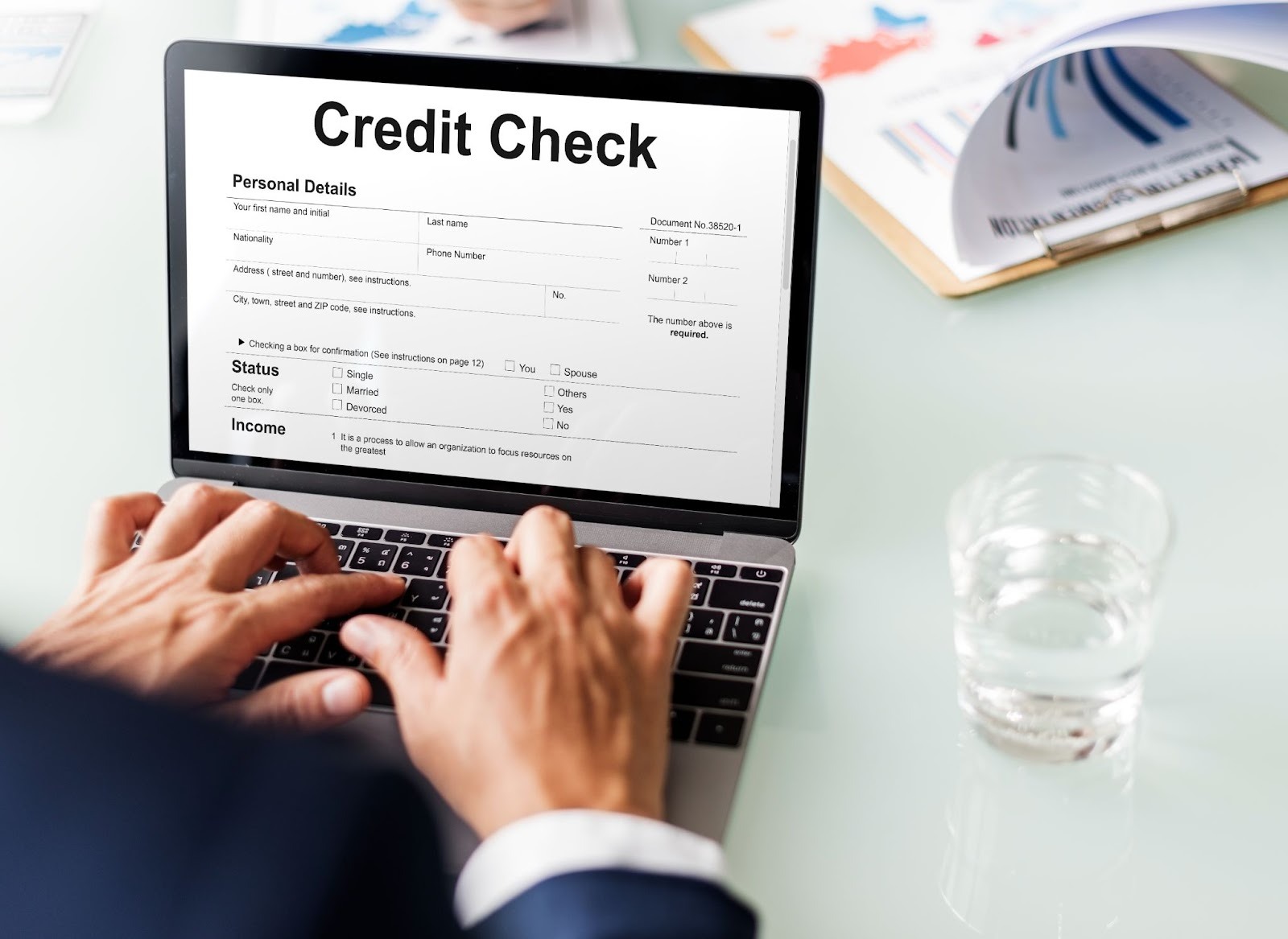
As your freelance work gains momentum, relying solely on personal credit for business expenses can increase vulnerability and risks. For that reason, separating your credit profiles helps safeguard your finances and supports continuity when gig work income fluctuates.
Reduces Personal Financial Exposure
When business expenses stay tied to your personal credit, any slow month directly affects your individual score. High balances, missed payments, or large purchases all appear as personal debt.
Building business credit shifts that responsibility toward your business activity instead of your personal financial profile.
Creates Room to Grow
A separate credit profile allows your business to qualify for financing based on its income and payment history. Over time, you can build credit for better loans while increasing borrowing capacity without adding pressure to your personal utilization.
Supports Long-Term Stability
Separating credit improves visibility across budgeting and tax tracking, allowing you to approach expansion with greater confidence. This foundation supports long-term stability and creates a steadier path toward full-time freelancing.
How to Start Building Business Credit as a Freelancer
You do not need employees or a large company to begin building business credit. As a freelancer, the goal is to gradually separate your business activity from your personal financial profile.
Get an EIN for Business Identification
An EIN helps identify your work as a business activity rather than personal borrowing. While many freelancers can legally operate using only an SSN, using an EIN allows lenders and financial institutions to recognize a separate business record.
Open a Dedicated Business Bank Account
After establishing a business identifier, opening a business checking account helps organize income and expenses. Consistent records make it easier to manage taxes and support clearer credit reporting for 1099 workers when applying for financing.
Work With Accounts That Report Payment Activity
Not every account contributes to a business credit history. Some vendors and financing providers report payment behavior to commercial credit bureaus. Using accounts that report activity helps build business credit as a freelancer.
Pay Consistently and Manage Balances
Paying on time and keeping balances under control builds a steady track record that lenders can see. Over time, that consistency allows your freelance business to develop its own financial reputation instead of relying on your personal credit profile.
Common Myths About Business Credit
Freelancers often delay building business credit because of misinformation, with many assumptions coming from traditional business advice that does not apply to independent workers.
- “You need an LLC before you can build business credit.”
You can begin establishing business credit activity as a sole proprietor. While an LLC can help with liability protection, credit history starts with financial behavior, not business structure. - “You need a high income to qualify.”
Business credit does not depend on earning a large amount. What matters more is consistent activity and payment behavior. Even small, regular transactions can begin forming a business profile. - “Business credit builds automatically once you start freelancing.”
Simply earning income does not create a credit profile. Accounts must actually report activity. Without reporting accounts, your business may operate for years without building credit. - “Using personal credit for business is basically the same thing.”
Personal borrowing keeps financial responsibility tied to you individually. This exposes you to personal credit risks that gig workers commonly face when business expenses grow. - “You have to wait years before lenders recognize your business.”
Business credit develops gradually, but progress often starts once you open reporting accounts and pay consistently. Many freelancers begin establishing credit earlier than expected once they understand the process.
How Financing Affects Your Credit Profile
Financing can help your business grow, but it also affects how lenders assess your reliability. The impact depends on how the funding is structured and how you manage it.
Payment Behavior Builds Your History
Making payments on time strengthens your credit profile, and consistent repayment shows lenders that your business manages obligations responsibly.
High Balances Can Increase Risk
Carrying large balances for long periods can signal financial pressure. Keeping balances manageable helps protect both personal and business credit standing.
Frequent Applications May Lower Confidence
Applying for multiple financing products in a short period of time can raise concerns for lenders. Spacing out applications allows your profile to stabilize between approvals.
Some Financing Can Reduce Credit Impact
There are funding models that rely more on your current income activity instead of repeated hard credit inquiries. This can help you access funding without credit hassles and limit unnecessary pressure on your credit profile.
How Giggle Finance Supports Your Credit Strategy
Freelancers often face challenges qualifying for traditional loans, especially early on. As such, Choosing financing that supports your credit goals helps keep your long-term plans on track.
Focuses on Income Activity
Giggle Finance evaluates your income performance rather than relying only on traditional credit metrics. This allows funding decisions to reflect how your freelance work actually earns.
Built for Independent Workers
1099 earners often encounter gaps in credit reporting. A credit-aware model for 1099 workers recognizes income patterns that traditional lenders may overlook.
Encourages Financial Resilience
When used responsibly, financing can support your effort to separate business credit from personal credit. Understanding the difference helps you treat funding as a strategy, not just a short-term solution.
Reduces Dependence on Personal Credit
Funding designed around business activity helps limit repeated reliance on personal borrowing. This supports gradual separation between personal and business financial responsibility.
Supports Consistent Cash Flow
Reliable access to funding can help you manage uneven income without disrupting your financial plan.
Start Thinking Long-Term
Separating personal and business credit is one of the most important steps you can take as a freelancer. The earlier you build a clear financial structure, the easier it becomes to qualify for better financing and protect your personal profile.
If you want funding that aligns with how independent workers actually operate, you can apply today and explore options designed for freelancers.
Disclaimer: Giggle Finance provides Revenue-Based Financing programs for business purposes only. Any mention of any loan product(s), consumer product(s), or other forms of financing is solely for marketing and educational content purposes and to help distinguish Giggle’s product from other comparable financing options available in the market.