
On this page
If you drive for Uber or Lyft, you know the moment when the check engine light flickers halfway through a Saturday shift, a tire feels off on a highway pickup, and a weird noise from the transmission you’ve been ignoring for two weeks finally turns into a real problem. Suddenly, the real question is how many days off the road you can afford while it gets fixed.
Downtime is the cost that never shows up on the repair invoice. Every hour the vehicle sits in a shop is an hour of lost fares, and the expenses of running the business keep going whether you’re driving or not. This guide covers the math of downtime, the repairs that most often sideline drivers, and how to plan so one repair doesn’t wipe out a week of income. You’ll also see how Giggle Finance can help cover a repair bill so you can get back to the road fast.
Key takeaways
- Aside from the repair bill, the driver downtime costs also include lost fares, ongoing insurance and phone costs, and the peak-hour bonuses you miss while the car is in the shop.
- Tires, brakes, transmission issues, battery failures, and skipped routine service are the repairs most likely to take rideshare drivers off the road.
- A dedicated maintenance reserve of 8 to 12% of gross earnings can help keep small repairs from turning into lost income.
- For repairs that outpace what’s in the reserve, rideshare driver maintenance funding through Giggle Finance can cover the bill quickly so the car is back on the road within days.
The Real Cost of a Day Off the Road
It’s easy to think of a repair as a one-line cost: whatever the shop charges. The real driver downtime cost is much larger once you add up the revenue you weren’t earning while the car was out of service. Here’s what a typical two-day Uber/Lyft vehicle repair scenario actually costs a full-time rideshare driver:
| Cost Component | Estimated Amount |
|---|---|
| Repair bill (mid-sized job such as brakes and rotors) | $450 |
| Lost fares (2 days × ~$200 average daily earnings) | $400 |
| Insurance and phone still running for both days | $25 |
| Lost peak-hour incentives (weekend surge, quest bonuses) | $75 |
| Total downtime cost for this repair | $950 |
Quick note: These figures are an example. Your numbers will vary by market, vehicle, and hours driven.
That $450 brake job effectively becomes a $950 event once you account for what you weren’t earning while it was fixed. Stretch the same repair into a week because you’re waiting on the money to pay for it, and the total climbs past $1,500. This is why every day the car is out of service costs more than the shop’s invoice suggests, and why speed of repair matters more than the sticker price of the fix itself.
Knowing this math is a smart cash flow habit for gig workers. It shapes how you budget for maintenance, how much you keep in reserve, and when it makes sense to use funding to fix a problem as soon as possible.
The Repairs That Take Rideshare Drivers Off the Road Most Often
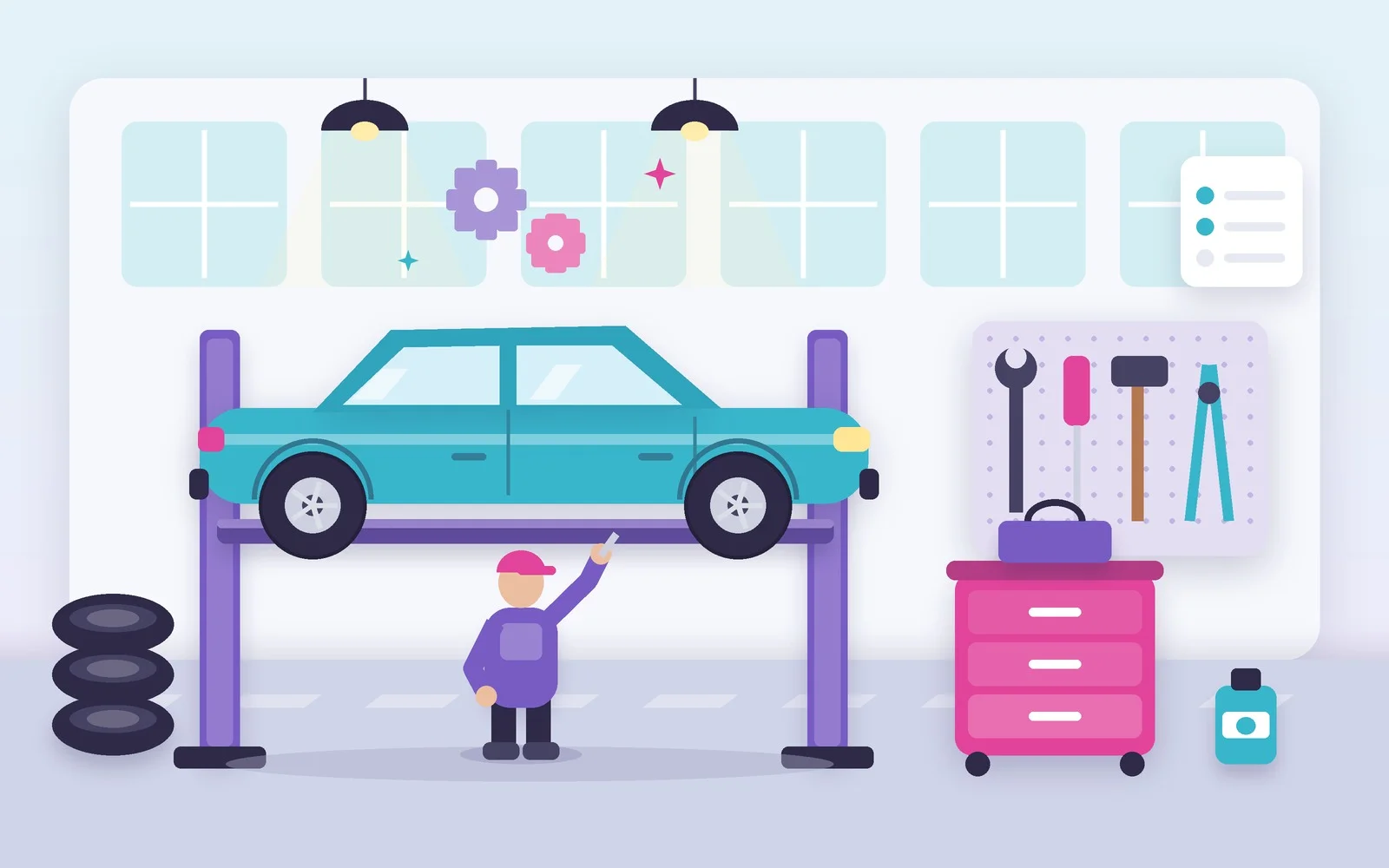
Some repair costs are especially common for rideshare drivers, so understanding which ones are most likely can help you plan ahead instead of reacting only when something goes wrong.
1. Tires
Rideshare vehicles typically go through tires every 25,000 to 35,000 miles, which for a full-time driver means one or two sets a year. A full set of four decent all-season tires runs $600 to $900 installed, while a single blowout or unrepairable puncture on a busy afternoon can take you off the road until the replacement is done.
2. Brakes
High-mileage stop-and-go driving wears brake pads and rotors faster than personal use. Expect front brake work roughly every 25,000 to 40,000 miles, with rears following on their own schedule. That kind of wear comes with a cost, since a full front brake job can run from $300 to $600 depending on the vehicle.
3. Transmission and Drivetrain
Transmissions and drivetrains take heavy wear from constant city driving. Fluid services are relatively cheap, while major transmission repairs can run into the thousands. When something in this category fails, the car is usually out of service for several days minimum.
4. Battery and Electrical
A dead battery, a failing alternator, or a bad starter can turn an Uber or Lyft shift into a vehicle repair session instead. With that kind of daily use, batteries in rideshare vehicles tend to last two to three years rather than the typical four to five.
5. Skipped Oil Changes and Routine Service
Routine oil changes and inspections are the cheapest form of preventive care, but skipping them is what turns small problems into the categories above. For drivers on the road most days, oil service may come around every 6 to 8 weeks, depending on the vehicle.
Practical Strategies to Prepare for Rideshare Vehicle Repairs
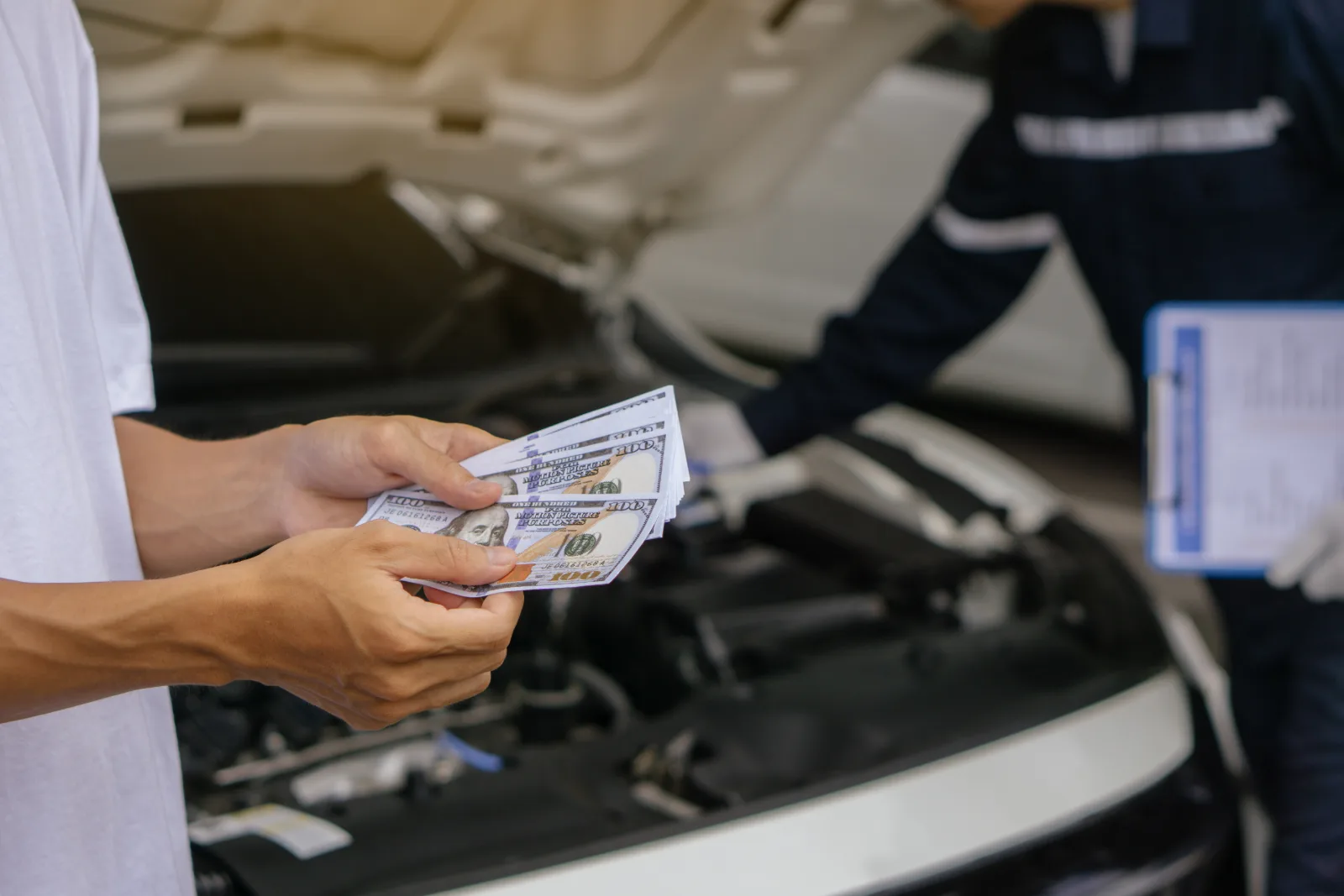
Planning ahead is the difference between a repair that costs a few hundred dollars and a repair that costs a week of income. These habits help keep a shop visit a scheduled stop instead of a financial emergency.
Build a Dedicated Maintenance Reserve
Set aside 8 to 12% of gross weekly earnings into a separate account used only for vehicle work. In a $1,000 week, that’s $80 to $120 set aside. Over a year, that adds up to enough to absorb a mid-sized repair without touching your operating cash. This kind of reserve is a core part of a broader financial safety net for businesses with irregular income.
Track Your Real Weekly Earnings
It’s easy to overestimate your average because the great weeks stick in your memory and the slow ones fade. Track gross earnings weekly for at least three months to get a realistic average. Seasonal income patterns can swing that average a lot, so keep saving the same percentage in busy and slow weeks alike.
Do Preventive Work Before Peak Weekends
Schedule tire rotations, oil changes, and routine inspections on your slowest earning days, not on a Saturday. Losing a Tuesday morning to a $50 oil change costs a fraction of losing a Saturday evening to the same appointment.
Know Your Funding Options Before You Need Them
Even with a solid reserve, a major repair can outpace what you have saved. Traditional bank channels are rarely a match for a driver who needs money the same day, and the barriers gig workers face in traditional banking show up exactly at moments like these. Knowing your options ahead of time means you can act on the day of instead of the week after.
When Funding Is the Fastest Way Back on the Road
Given how much a driver downtime cost adds up per day, the question of whether to seek funding to cover a repair often answers itself. If waiting a week to save up costs $500 in lost fares, but the repair bill is $600 and can be paid immediately with rideshare driver maintenance funding, moving fast is usually the better financial decision.
Here’s how Giggle Finance approaches funding for rideshare drivers, and why it fits the way the work actually earns.
Evaluated on Your Actual Driving Revenue
Your application is assessed using the deposits coming into your bank account rather than a W-2 or a deep credit file. That fits how rideshare drivers actually earn, which doesn’t look like a salaried paycheck on paper.
Covers the Repair, Not Just Part of It
Funding can be used for eligible business expenses such as vehicle repairs, replacement tires, brake work, batteries, and other costs that help keep your car road-ready. That gives you more room to handle the repair properly, so you can get back to driving with the work completed and your vehicle ready for the road.
Fast Decision and Flexible Repayment
Applications can be completed online in just a few minutes, and approved customers may receive funds shortly after approval. From there, repayment is based on a percentage of weekly business revenue, so the amount can adjust with how the week actually goes. That means a stronger week can put a little more toward repayment, while a slower week brings a smaller amount.
Fix the Car. Get Back to Earning.
Vehicle downtime can have a direct impact on what a rideshare driver takes home each month, which is why planning ahead matters. Build a repair reserve, schedule preventive maintenance before small issues grow, and understand your funding options before an unexpected problem takes you off the road. The more prepared you are for repairs, the easier it becomes to limit downtime and get back to earning sooner.
That same kind of preparation can help with the rest of your rideshare business, too. For more practical guidance on managing cash flow, business expenses, and the financial side of self-employed driving, explore more resources on the Giggle Finance blog.
Disclaimer: Giggle Finance provides Revenue-Based Financing programs for business purposes only. Any mention of any loan product(s), consumer product(s), or other forms of financing is solely for marketing and educational content purposes and to help distinguish Giggle Finance’s product from other comparable financing options available in the market.